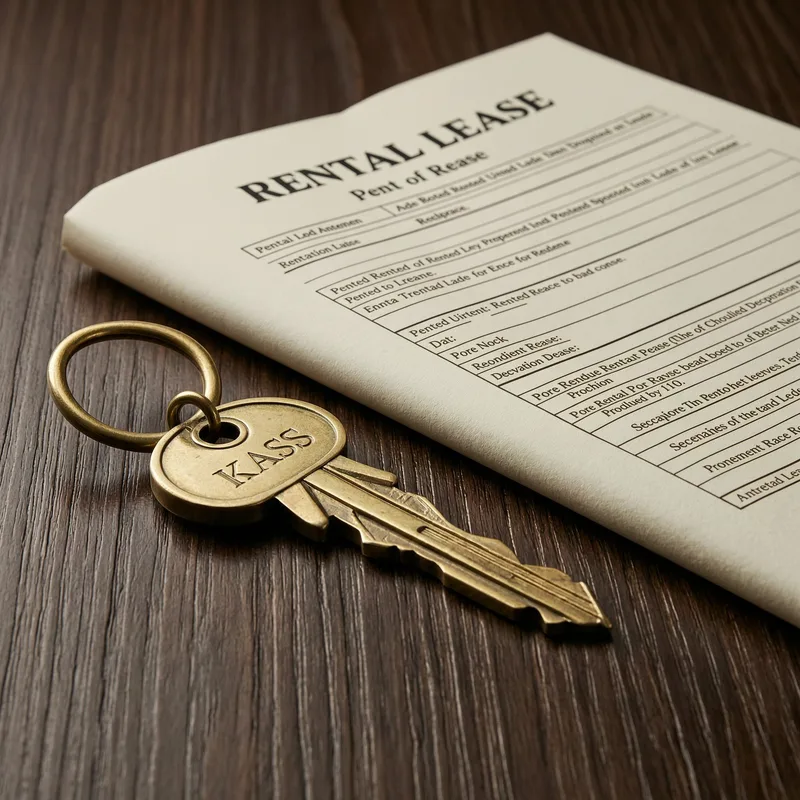
Being locked out of your apartment is stressful anywhere, but in Germany it's important to understand your specific rights as a tenant. German rental law (Mietrecht) clearly defines the responsibilities of both tenants and landlords when access to a rental property is lost. Whether you've misplaced your keys, damaged your lock, or been accidentally locked out, knowing your legal position protects you from unexpected costs and ensures you get back inside safely.
As an English-speaking expat or international resident renting in Germany, navigating these regulations in a foreign language adds another layer of complexity. This guide explains tenant lockout rights under German law, who bears the cost of emergency locksmith services, and the steps you should take if you find yourself locked out of your home.
Your Right to Access Your Rental Home
German rental law guarantees tenants the right to peaceful enjoyment and access to their rented premises. This is a fundamental principle under the Bürgerliches Gesetzbuch (BGB), Germany's civil code. Your landlord cannot restrict your ability to enter your own home, and they must ensure that locks and access systems function properly during your tenancy.
If you are locked out due to a malfunction or damage to the lock mechanism itself—such as a broken key stuck in the cylinder, internal lock damage, or a faulty handle—your landlord is legally responsible for restoring your access. In these cases, the cost of emergency locksmith services falls to the landlord, as they have a duty to maintain the property's facilities in working condition.
However, if you locked yourself out by forgetting your keys, losing them, or accidentally locking the door behind you, the situation is different. Personal lockouts caused by tenant carelessness are generally the tenant's financial responsibility. German courts view this as a consequence of the tenant's own actions rather than a failure of the landlord's maintenance obligations.
Landlord Responsibilities and Maintenance Duties
Your landlord (Vermieter) must maintain all locks, keys, and access systems in good working order throughout your tenancy. This includes Profilzylinder (profile cylinder locks) and other standard lock types common in German apartments. If a lock becomes defective—whether through normal wear, manufacturing fault, or accidental damage caused by neither you nor the landlord—the landlord must pay for repairs or replacement.
Importantly, German landlords are also required to provide you with at least two sets of keys when you move in. If you lose one set, you are responsible for the replacement cost. If the landlord failed to provide duplicate keys or a spare during your move-in process, they may bear part of the responsibility for a lockout situation caused by key loss.
If your landlord is slow to respond to a lockout emergency, you have the right to arrange emergency locksmith services yourself and deduct the reasonable cost from your rent (Mietminderung) if the lockout lasted an extended period. Document all expenses and provide receipts to your landlord. This is a legal protection against unresponsive landlords who fail to maintain access to your home.
Immediate Steps When You're Locked Out
If you are locked out, first assess whether the lock is broken or if you simply cannot access your keys. Call your landlord or their property management company immediately and describe the situation. If they are reachable and can provide a spare key within a reasonable timeframe, this is the fastest and least costly solution.
If your landlord is unavailable or cannot assist within a reasonable time (typically more than 2-3 hours), you may contact an emergency locksmith directly. When calling a locksmith, clearly explain the situation—whether it's a broken lock or a lost key—as this affects liability. Request a cost estimate before work begins. Keep all receipts and documentation to support any insurance claims or rent deductions.
For insurance purposes, document the date, time, and circumstances of the lockout with photos if possible. If you hold a Hausratversicherung (household contents insurance) policy, some policies cover locksmith costs for emergency access, but often with specific conditions regarding lock certification (DIN-compliant locks). Contact your insurer promptly if you believe your situation qualifies for coverage.
Insurance and Cost Recovery
Whether you can recover locksmith costs through insurance depends on your specific policy terms. Many German household insurance policies do cover emergency locksmith services, but typically only for locks certified to DIN EN 1627 standards. Before paying out of pocket, review your policy documents or contact your insurer to understand your coverage limits and any deductibles.
If you determine that your landlord is financially responsible for the lockout, provide them with all invoices and receipts within a reasonable period. If they refuse to reimburse you, you can deduct the amount from your next rent payment (with written notice) or file a claim through the housing dispute process (Mieterschutzverein). Keep copies of all correspondence with your landlord for legal protection.
Frequently Asked Questions
English-speaking locksmiths available 24/7 across Germany.