If you've recently moved to Germany or are renting an apartment here, you've probably heard references to DIN EN 1627 standards when discussing locks and security doors. This European standard is the foundation for all residential and commercial lock safety in Germany, and understanding it is essential for protecting your property and meeting rental agreements.
As an English-speaking expat, navigating German security terminology can be confusing. This guide explains DIN EN 1627 in practical terms: what the resistance classes mean, why landlords require specific standards, and how to ensure your locks meet legal expectations in Germany.
What Is DIN EN 1627 and Why It Matters
DIN EN 1627 is a European standard (DIN = Deutsches Institut für Normung, EN = European Norm) that specifies security requirements for locks, doors, and window hardware. In Germany, this standard is legally recognized and widely enforced by landlords, insurance companies, and police. It provides a unified classification system that helps property owners and residents understand the burglary resistance level of their security installations.
The standard applies to residential doors, balcony doors, windows, and gates throughout Germany. Insurance companies often require DIN EN 1627 compliance to provide full coverage for theft or break-in damage. If your rental agreement specifies a particular resistance class, your landlord is legally entitled to inspect that your locks meet this standard. Non-compliance can affect your security deposit or insurance claims.
Understanding DIN EN 1627 also helps you make informed decisions about home security investments. Rather than relying on vague marketing claims about "high security," this standard provides measurable, tested criteria that you can verify with a certified locksmith.
DIN EN 1627 Resistance Classes Explained
DIN EN 1627 defines six resistance classes (RC 1 through RC 6), each indicating how long a lock can resist forced entry attempts. WK stands for "Widerstandsklasse" (resistance class). The higher the number, the greater the security. Most residential properties in Germany use RC 2 or RC 3 locks, while high-value properties or commercial spaces may require RC 4 or higher.
RC 1 and RC 2 offer basic protection against opportunistic burglars using simple tools. These are standard in most German rental apartments and meet basic insurance requirements. RC 3 provides enhanced protection, resisting professional break-in attempts for several minutes—this is common in urban areas and required by many insurance policies. RC 4, RC 5, and RC 6 are designed for high-security installations, including safes, jewelry stores, and government buildings.
Each resistance class is tested under controlled laboratory conditions, with experts attempting forced entry using standardized tools. A RC 3 lock, for example, must withstand at least 15 minutes of professional attack before yielding. This scientific testing ensures consistent standards across Germany and the EU.
How to Check Your Lock's DIN EN 1627 Rating
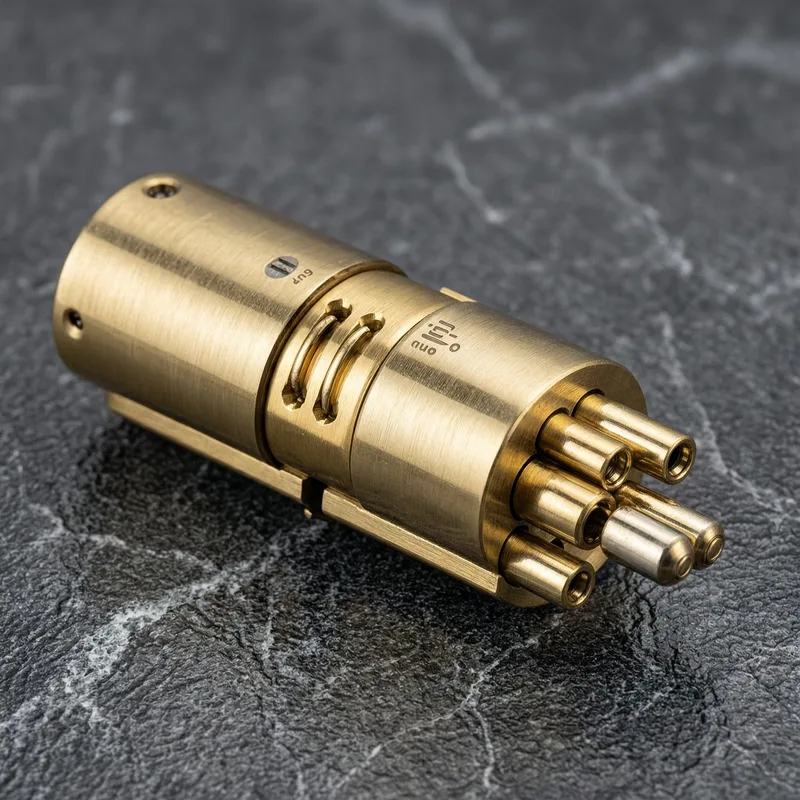
To verify your lock's resistance class, look for a certification mark on the lock cylinder itself. Genuine DIN EN 1627-compliant locks display a marking indicating their WK level—usually printed on the brass or metal housing. If your lock lacks this marking, it likely does not meet the standard. You can also contact your landlord or building management; they should have documentation of all installed hardware.
If you need to upgrade your locks, contact a certified German locksmith (Schlosser). In Germany, locksmiths undergo formal apprenticeship and must comply with industry standards. Your locksmith can assess your current installation, recommend the appropriate resistance class for your property and location, and ensure proper installation. Be prepared to provide them with your rental agreement if required by your landlord.
Many expats are surprised to learn that changing locks without landlord permission can violate rental agreements, even if you pay for the upgrade yourself. Always coordinate lock changes with your Hausverwalter (property manager) or Vermieter (landlord) in writing.
DIN EN 1627 and Your Rental Agreement
German rental law (Mietrecht) often includes clauses specifying the required security standard for the rental property. Your Mietvertrag (rental agreement) may state something like "locks must comply with DIN EN 1627 RC 3." This is legally binding, and your landlord can require maintenance or upgrades to meet the stated standard. If you damage or tamper with locks, you may be liable for repairs, and this cost can be deducted from your security deposit.
If your rental agreement requires a specific resistance class and your locks do not meet it, this is a defect that your landlord must remedy. You can document this in writing (Mängelrüge) and request repair. Conversely, if locks fail to meet the agreed standard and burglary occurs, your insurance claim may be denied. Always ensure compliance and keep documentation of your lock specifications.
Frequently Asked Questions
RC 2 locks must resist forced entry for at least 3 minutes and are suitable for low-risk residential areas. RC 3 locks must withstand at least 15 minutes of professional attack and are required by many German insurance companies in urban areas. RC 3 is generally recommended for apartments in cities like Berlin, Munich, or Frankfurt due to higher burglary rates.
Yes, you can upgrade to a higher resistance class without violating your lease. However, always inform your landlord in writing before making changes. Ensure any installation is done by a certified locksmith, and keep documentation of the upgrade. You typically cannot remove these locks when moving unless your landlord agrees, so understand the implications before upgrading.
Most German insurance policies (Hausratversicherung) require locks to meet at least DIN EN 1627 RC 2 or RC 3 standards. If your locks do not meet the policy requirement and a break-in occurs, the insurance company may deny your claim or reduce compensation. Always check your policy documents and verify lock compliance with your insurance provider.
Your landlord is legally responsible for ensuring the rental property's locks meet the standard specified in your lease. If locks are defective or do not meet the agreed standard, this is a landlord's maintenance obligation. You should report defective locks immediately in writing. Conversely, you are responsible for not damaging locks and for normal use—intentional damage may result in repair costs deducted from your deposit.
In Germany, locksmiths (Schlosser) must complete formal apprenticeship training and are registered with local chambers of commerce (Handwerkskammer). Ask for references, verify DIN EN 1627 expertise, and request written quotes before work begins. Many locksmiths provide certification documents after installation. For urgent assistance, contact us at 015161134271—we can recommend certified professionals in your area.
English-speaking locksmiths available 24/7 across Germany.