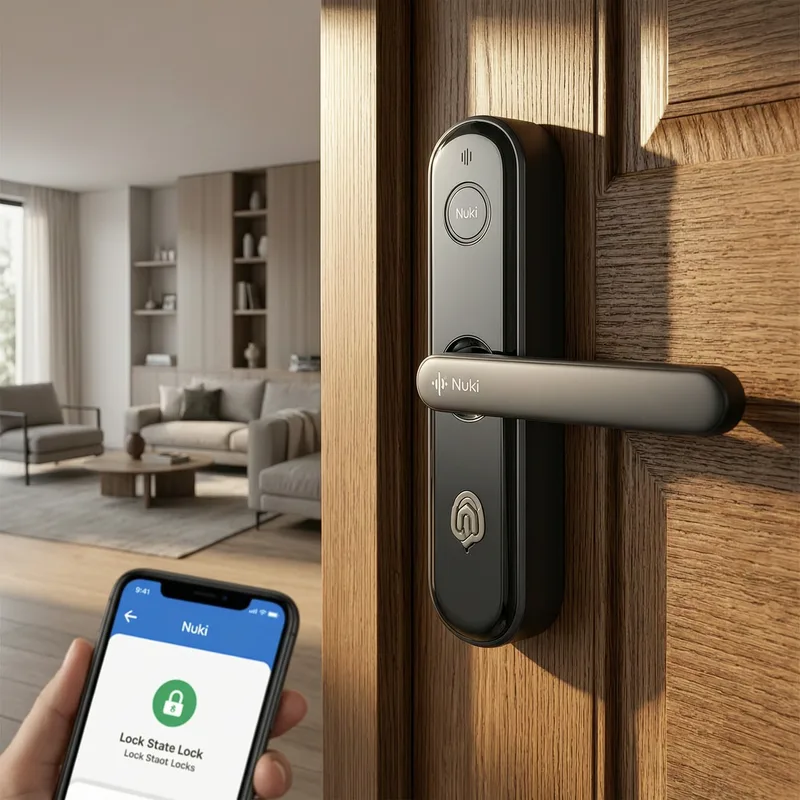
Smart locks represent a modern approach to home security, offering convenience and remote access control that traditional mechanical locks cannot match. For English-speaking expats, international workers, and tourists settling into German homes, understanding how smart locks fit into the German housing landscape is essential—especially when navigating rental agreements, building standards, and insurance requirements.
Germany maintains strict security standards and building codes that apply to all door locks, including smart variants. This guide walks you through what you need to know about integrating smart locks into German apartments and houses, from technical compatibility to legal considerations and practical security best practices.
German Lock Standards & Smart Lock Compatibility
German locks operate within a rigid standardization framework designed to ensure security and reliability. The most common standard is DIN EN 1627, which defines resistance classes (RC1 through RC6) based on burglary resistance. When you purchase or rent a property in Germany, the installed locks typically comply with at least RC2 or RC3 standards—measuring the lock's ability to withstand picking, drilling, and forced entry.
Smart locks must be compatible with German door frame specifications and cylinder sizes. The Profilzylinder (profile cylinder) is the industry standard, featuring a standardized measurement of 30/30mm or 30/35mm. If you're replacing a traditional lock with a smart variant, your smart lock must accommodate this cylinder standard or come with an adapter.
Many reputable smart lock manufacturers—including ASSA ABLOY (Schlage), DOM, and ABUS—produce models certified to German standards. However, not all international smart locks meet DIN EN 1627 requirements. Before purchasing, verify that your chosen smart lock explicitly states compliance with relevant German security standards, particularly if you live in an owner-occupied home where insurance requirements are stricter.
Battery-powered smart locks also require consideration: German winter temperatures can drain batteries faster than in milder climates. Choose models with reliable low-battery indicators and ensure you have a mechanical backup key for emergencies.
Rental Laws & Landlord Permissions
Germany's tenant protections (Mietrecht) give landlords significant control over security installations in rental properties. You cannot install or modify locks in a rental apartment without explicit written permission from your landlord. This applies to smart locks and traditional locks alike. Unauthorized lock modifications can be grounds for eviction and loss of your security deposit.
When requesting permission to install a smart lock, document your proposal in writing and include the smart lock specifications, installation method, and confirmation that it won't damage the door. Many landlords accept smart locks if they're temporary (attached without permanent modification), as long as you agree to remove them and restore the original lock before moving out.
Some landlords prefer smart locks because they simplify access for maintenance visits without requiring extra keys. Others may require that the property manager retains access credentials. Clarify these expectations in writing before installation. In owner-occupied homes, you have full freedom to install smart locks, though your home insurance provider may have specific requirements about lock certification.
Insurance & Security Certification Requirements
German home insurance policies (Hausratversicherung) often specify minimum lock standards for break-in coverage. If your smart lock fails to meet DIN EN 1627 RC2 or higher standards, your insurer may deny claims related to theft or burglary. Before selecting a smart lock, check your insurance policy's security requirements and confirm your chosen model meets those specifications.
Document your smart lock's certification and keep proof of purchase and installation. Many insurers also require that locks be professionally installed, not DIY-fitted. If your landlord or insurance company requires professional installation, contact a certified locksmith who can verify compliance and provide documentation.
Installation, Setup & Practical Considerations
Smart lock installation in Germany typically requires a locksmith's expertise to ensure proper alignment with door frame standards and DIN compliance. DIY installation risks misalignment, security vulnerabilities, and potential insurance issues. Many locksmiths in Germany are experienced with smart lock integration and can verify that your choice meets legal and insurance requirements.
Choose between keypad entry, mobile app control, biometric access, or mechanical backup. For expats unfamiliar with German emergency services, ensure you can always provide physical access to emergency responders (police or fire services). Keep your landlord or building management informed of your smart lock credentials in case of emergencies. Finally, maintain regular firmware updates and use strong, unique passwords for any app-based controls.
Frequently Asked Questions
English-speaking locksmiths available 24/7 across Germany.