For English-speaking expats living in German rental apartments, the appeal of a smart lock is obvious: convenient keyless access, remote control, and modern security features. However, German rental law is strict about tenant modifications, and installing a smart lock without permission can lead to disputes with your landlord or even eviction notices. Understanding the legal landscape is essential before you make any changes to your flat's security system.
This guide walks you through Germany's rental regulations, what counts as a "Veränderung" (modification), when landlord permission is required, and which smart lock solutions are practical for renters. Whether you're staying for a few months or several years, we'll help you find a compliant solution that works for your security needs.
German Rental Law and Smart Lock Modifications
Under German rental law (Mietrecht), tenants cannot make structural changes or permanent modifications to a rental property without explicit written permission from the landlord. Installing a smart lock that replaces the existing door lock is typically considered a modification that requires prior landlord consent. This falls under the principle of "Substanzveränderung" (alteration of the property's substance), even if the modification is reversible.
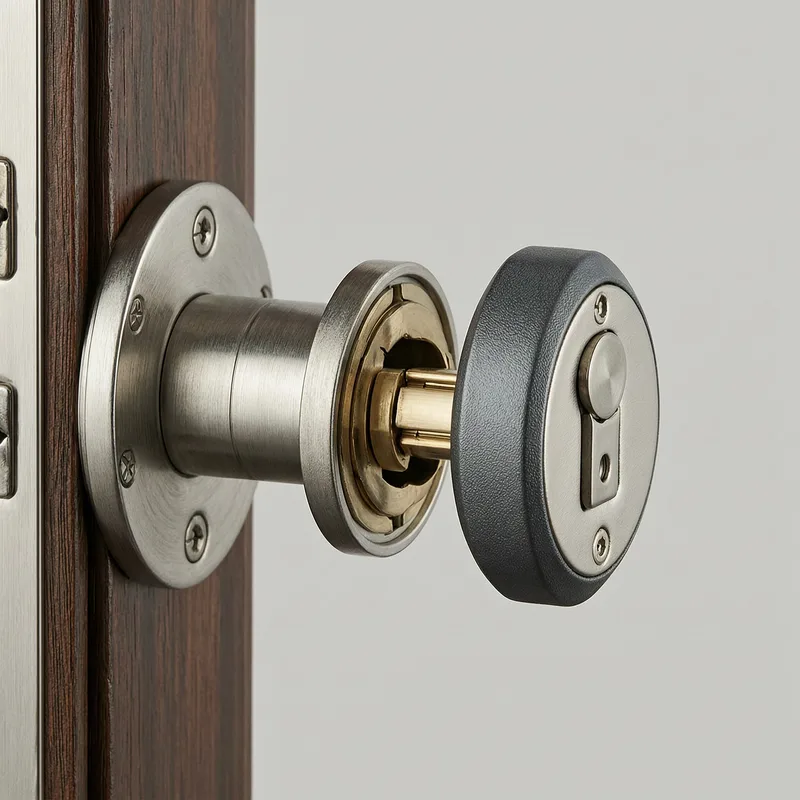
The key distinction in German law is whether the change is permanent or temporary. A smart lock that requires drilling, rewiring, or replacing the existing lock mechanism is usually seen as permanent and requires written approval. Simply attaching a surface-mounted smart lock in addition to the existing lock (without replacing it) may be considered less intrusive, but many landlords still require permission. The safest approach is always to ask first.
If you install a smart lock without permission and your landlord objects, they can demand you remove it and restore the original lock at your own expense. In serious cases, unauthorized modifications can even be grounds for termination of your rental contract. Therefore, communication with your landlord before any installation is strongly recommended, even if it feels bureaucratic.
How to Request Landlord Permission
The best approach is to contact your landlord in writing (email is acceptable) and explain your request clearly. Include details about the specific smart lock model you want to install, emphasize that you will restore the original lock when you move out, and explain the security and convenience benefits. Many landlords appreciate safety upgrades and may agree if they see the change is reversible and professional.
When submitting your request, offer to provide technical specifications and installation details. Some landlords appreciate knowing that the device won't damage the door or frame. If you're dealing with a property management company (Hausverwaltung), address your request to them with copies to your landlord. Keep all written communication for your records in case disputes arise later.
If your landlord refuses, you have limited legal options unless their refusal is unreasonable. In rare cases where a landlord's refusal violates your rights to "Wohnqualität" (quality of living), you could seek advice from a tenant rights organization like the Mieterbund. However, for most expats planning temporary residence, it's easier to choose an alternative solution that doesn't require permission.
Smart Lock Options for Renters in Germany
If your landlord won't permit a replacement smart lock, several renter-friendly alternatives exist. Portable smart locks (such as temporary door locks or padlock-style smart locks) require no modification to your existing lock and can move with you. Battery-powered keypad locks that fit over your existing deadbolt are another option, though these are less aesthetically integrated. Surface-mounted smart locks designed to work alongside your original lock are available and may be approved more easily since they're reversible.
Another practical solution is a smart door sensor with an alarm system. While this doesn't replace your lock, it provides security monitoring and notifications when your door is opened, which many renters find acceptable to landlords. Some expats also use smart locks in other rooms (office, bedroom) that don't require landlord consent, and rely on traditional locks for entry doors.
For temporary stays, keeping your rental furnished and avoiding permanent modifications is often the simplest path. If you're in Germany long-term, discuss a smart lock upgrade as part of your lease renewal negotiation—landlords may be more willing to agree if they see long-term stability.
Installation and Restoration Best Practices
If you receive written permission, hire a professional locksmith to ensure proper installation and avoid damaging the door frame. Document the original lock (photos, model information) and keep all original parts and installation materials. This protects you when you move out and need to restore everything. Many locksmiths in Germany offer reversible installation services specifically for renters and are familiar with landlord requirements.
Before you move out, restore the original lock completely and have it inspected or re-keyed if necessary. Provide your landlord with evidence (photos, locksmith certificate) that everything has been restored. This protects your deposit and prevents disputes. If disputes do arise, having documentation of the original state and professional restoration will be invaluable.
Frequently Asked Questions
Yes, in most cases. Under German rental law, installing a smart lock that replaces your existing lock is considered a modification and requires written landlord permission. Even reversible installations are technically modifications. Always ask first in writing to avoid disputes or contract termination risks.
Your landlord can demand you remove it and restore the original lock at your expense. Unauthorized modifications can be grounds for termination of your rental contract. If damage occurs during removal, you may be liable for repairs and could lose part of your security deposit.
Yes. Portable smart locks, battery-powered keypad locks that fit over your existing lock, and smart door sensors don't modify the door itself. Discuss these with your landlord—they're often easier to approve since they're temporary and reversible. Always confirm in writing before installation.
You can choose a non-invasive alternative (portable smart lock, door sensor) or negotiate during your next lease renewal. In rare cases where a refusal is unreasonable and violates your living quality rights, contact a tenant rights organization like the Mieterbund. However, landlords have broad authority over their property, so refusals are usually enforceable.
Document the original lock before installation, keep all original parts, and hire a professional locksmith to reinstall it properly. Get a certificate of restoration from the locksmith. Photograph the restored lock and provide your landlord with evidence. This protects your deposit and prevents disputes over property damage.
English-speaking locksmiths available 24/7 across Germany.