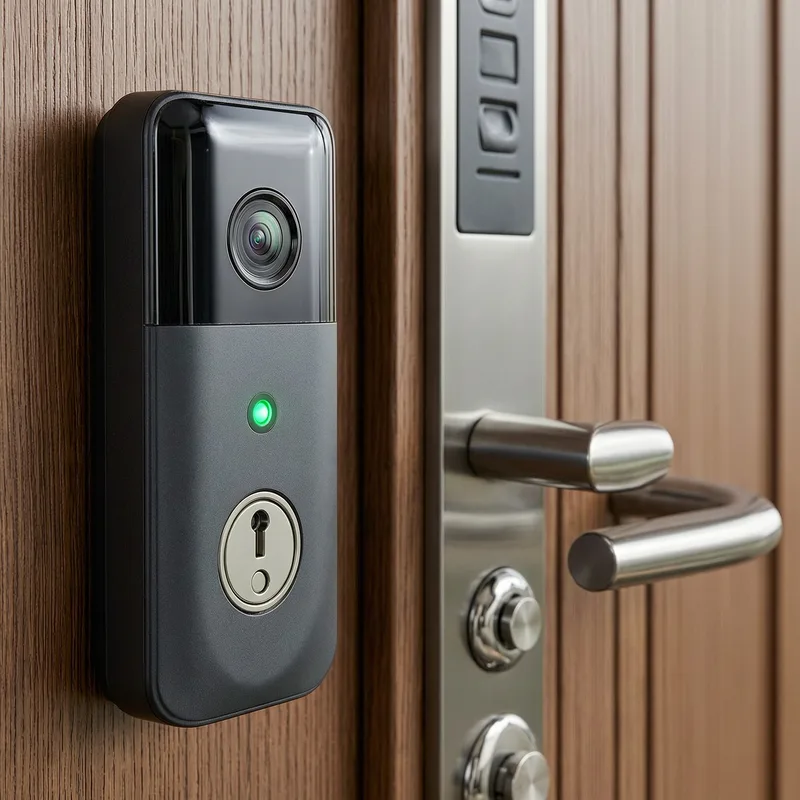
As an expat or international resident in Germany, you may be tempted to install a smart doorbell camera like Ring or Google Nest for convenience and security. However, Germany's privacy laws—particularly the General Data Protection Regulation (GDPR) and the Telemediengesetz (TMG)—impose strict requirements on video surveillance of public and semi-public spaces. Installing a doorbell camera without proper consent or notification can result in fines, legal disputes with neighbors, and even device confiscation.
This guide explains what German law permits regarding smart doorbells, how to legally install one, and which popular models comply with local regulations. Whether you rent or own your property, understanding these rules is essential before bringing surveillance technology into your German home.
German Privacy Laws and Video Surveillance
Germany has some of the world's strictest privacy protection laws. The GDPR (Datenschutz-Grundverordnung) and BDSG (Bundesdatenschutzgesetz) regulate how personal data—including video recordings—are collected, stored, and processed. Video surveillance of areas where people reasonably expect privacy is heavily restricted, even on your own property.
A critical principle in German law is that doorbell cameras cannot record public spaces or areas where neighbors have a reasonable expectation of privacy, such as neighboring properties, sidewalks, or common building areas. The camera must only capture your own entrance, and the angle and range must be tightly controlled. Recording beyond your property line violates neighbors' privacy rights and opens you to legal liability.
Additionally, Germany's Kunsturhebergesetz (KunstUrhG) protects individuals' right to their own image. Recording someone without consent—even incidentally—can be illegal. You must post clearly visible signs warning people that surveillance is active, typically in German language or with recognizable symbols.
Ring, Nest, and Popular Smart Doorbells in Germany
Ring (owned by Amazon) and Google Nest are globally popular, but neither is officially marketed or supported in Germany due to data protection concerns. Both services store video footage on US-based servers, raising GDPR compliance questions. While technically you can purchase and use these devices in Germany, they operate in a legal gray zone, and German courts have increasingly challenged their compatibility with GDPR.
German-friendly alternatives include Netatmo Smart Video Doorbell (which stores data locally via HomeKit), ABUS WLAN Video Doorbell, and Instar IN-6014 HD—all designed with German privacy standards in mind. These brands either store data locally on your network or use EU-based servers with stricter compliance standards. Local storage or EU servers significantly reduce privacy risks compared to US-based cloud storage.
Before purchasing any smart doorbell, verify where and how data is stored, check whether the manufacturer offers German language support and privacy documentation, and confirm the device's compliance with BDSG and GDPR. Many tech retailers in Germany can advise on models that meet local legal requirements.
Legal Installation Requirements in Germany
To legally install a smart doorbell in Germany, follow these key steps: First, ensure the camera only records your own entrance and does not capture public sidewalks, neighboring properties, or common stairwells. If you live in an apartment building, check your lease and building regulations—many forbid surveillance devices in shared areas. Second, post a visible warning sign (typically in German: "Videoüberwachung" or "Videoaufzeichnung läuft") near your entrance before the camera is operational.
Third, if you rent, obtain written permission from your landlord. Many rental contracts explicitly forbid doorbell cameras without consent. Fourth, if your building has a shared entrance or you record any area visible from neighboring units, notify affected neighbors in writing and allow reasonable time for objection. Finally, implement strong security measures: use complex passwords, enable two-factor authentication, and ensure the device is encrypted. Document your compliance measures and keep records of permissions and notifications.
Common Mistakes and Legal Risks
Many expats unknowingly violate German privacy laws by recording too wide an area, failing to post warning signs, or storing data on insecure or non-EU servers. Recording neighbors without their knowledge can result in cease-and-desist letters, fines up to €20,000 or more under GDPR, and civil lawsuits for privacy violations. Landlords may also use unauthorized surveillance as grounds for eviction or lease termination.
If a neighbor objects to your doorbell camera, do not ignore the complaint. Respond professionally, explain your installation, show how you've limited the recording angle, and offer to adjust settings if needed. If disputes escalate, seek legal advice or contact a German locksmith or security professional for expert guidance on compliance. Ignoring privacy concerns can turn a minor installation issue into a costly legal battle.
Frequently Asked Questions
Ring and Nest are not officially sold in Germany and operate in a legal gray area due to GDPR concerns about US-based data storage. While technically purchasable, German courts increasingly question their compliance. Safer alternatives are German-compliant brands like Netatmo or ABUS that store data locally or on EU servers.
Yes, if you rent, you must obtain written permission from your landlord. Many rental agreements forbid surveillance devices without consent. Installing one without permission can be grounds for eviction or lease termination. Always check your lease and ask your landlord in writing before proceeding.
Your doorbell camera should only record your own entrance area and must not capture public sidewalks, neighboring properties, or common building areas. The camera angle and range must be strictly limited. Recording beyond your property line violates neighbors' privacy rights under German law and can result in fines or legal action.
You must post a clearly visible sign in German warning of video surveillance ("Videoüberwachung" or "Videoaufzeichnung läuft"). The sign should be placed near your entrance before the camera is operational. This informs people they are being recorded and is a legal requirement under German privacy law.
Take complaints seriously and respond professionally. Explain your installation, demonstrate how you've limited the recording to only your entrance, and offer to adjust camera angles if needed. If the dispute escalates, seek legal advice from a German attorney or contact a local security professional. Ignoring complaints can lead to costly legal action.
English-speaking locksmiths available 24/7 across Germany.