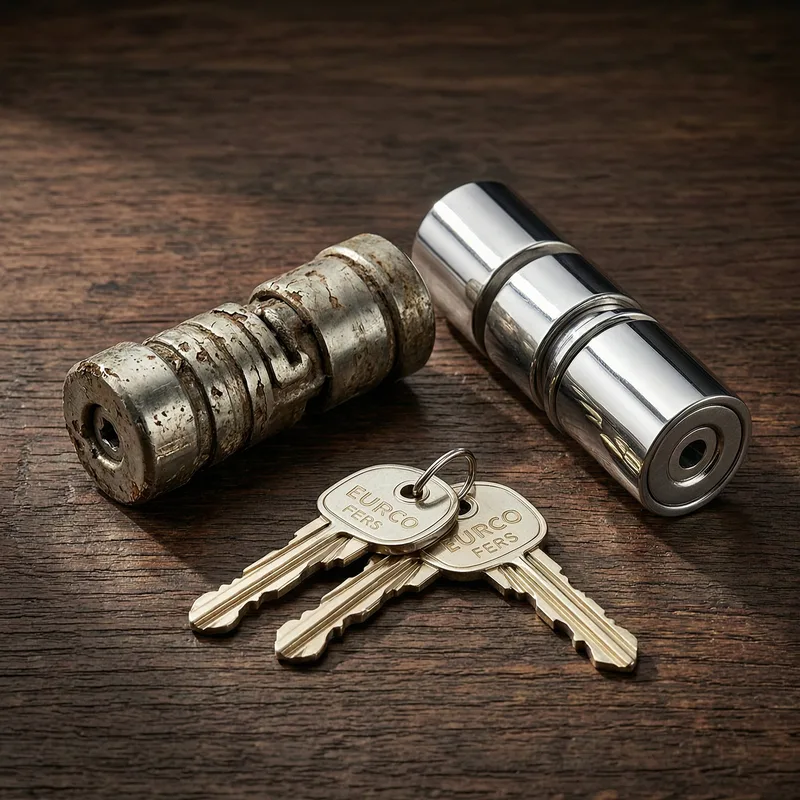
Moving into a rental apartment in Germany comes with important questions about security. As a tenant, you may feel the need to upgrade locks or add security features, but German rental law (Mietrecht) has specific rules about what modifications you can make. Understanding your rights and responsibilities is essential to avoid conflicts with your landlord and protect your rental deposit.
This guide covers everything English-speaking renters need to know about security upgrades in German rental apartments: which modifications are allowed, how to communicate with your landlord, professional locksmith options, and insurance-related considerations. Whether you're concerned about a worn lock, moving into an unfamiliar building, or simply want better peace of mind, we'll help you navigate the process legally and effectively.
Understanding German Rental Law & Lock Modifications
German rental law strictly regulates what tenants can and cannot modify in their apartments. According to §535 BGB (Bürgerliches Gesetzbuch), the landlord has a duty to maintain the apartment in a habitable condition, including locks and security features. However, tenants may not arbitrarily replace or remove locks without the landlord's written consent.
Key principle: Any modification that damages the property or changes its fixed installations requires the landlord's written permission in advance. This includes changing cylinder locks (Profilzylinder) or replacing entire lock mechanisms. Unauthorized changes can result in disputes at lease termination and may cost you part of your security deposit (Kaution).
That said, many landlords are reasonable about security upgrades if approached professionally. The best practice is to inform your landlord in writing, explain the security concern, and propose a solution. For example, requesting a new cylinder because previous tenants' keys still exist, or adding a secure deadbolt, is often granted. Additionally, you have the right to restore the original lock when you move out—many landlords expect this and appreciate it.
Some upgrades, such as installing a door reinforcement plate or upgrading to a higher DIN EN 1627 resistance class lock, may be allowed as long as the original lock can be reinstalled. Always get written approval before making changes and keep documentation for your move-out inspection.
Types of Security Upgrades & German Lock Standards
Germany uses the DIN EN 1627 standard to classify lock resistance. Most residential locks fall into RC2 or RC3 categories, which protect against simple tools and casual break-ins. If you're concerned about security, understanding these standards helps you discuss upgrades with your landlord and a professional locksmith.
Common upgrade options include: Changing the cylinder (usually the easiest option requiring minimal landlord approval), installing a deadbolt alongside the existing lock, adding a door brace or security bar, upgrading to a certified ABUS or DOM lock, and installing a door viewer or peephole if missing. For doors without solid locks, a new Profilzylinder (profile cylinder) can be installed without major structural changes—this is often approved by landlords as it doesn't damage the door.
Professional locksmiths serving rental areas across Germany can assess your current lock, discuss DIN EN 1627 standards relevant to your situation, and recommend legally compliant upgrades. They understand local rental practices and can advise on what most landlords approve. If your lease specifies that you cannot modify locks, a locksmith can still suggest alternatives such as portable door locks or security wedges that require no permanent installation.
Document any upgrades with photos and receipts. If you install a new lock with your landlord's permission, keep the original lock so you can reinstall it before moving out. This protects your deposit and maintains a positive landlord relationship.
Working with Your Landlord Effectively
The key to a smooth security upgrade is clear, written communication. Send your landlord (or their property management company) a formal request in German or English explaining your security concern and the specific upgrade you'd like to make. Include photos of the current lock if it's damaged or worn. Most landlords appreciate tenants who take security seriously and will approve reasonable requests within 2–3 weeks.
Documentation matters: Keep copies of all correspondence with your landlord. If they approve your upgrade, ask them to confirm in writing whether you should reinstall the original lock before move-out. Some landlords prefer you leave the upgraded lock; others want the original restored. Clarifying this in advance prevents misunderstandings when you leave.
If your landlord denies a reasonable security request, you may file a complaint with the local tenant association (Mieterbund) or seek advice from a legal aid organization. In cases where a lock is genuinely defective, you can document this and invoke your landlord's maintenance obligation. A professional locksmith can provide a written assessment supporting your case if needed.
Insurance & Professional Locksmith Services
Before upgrading locks, check your household contents insurance (Hausratversicherung). Many policies require that doors be secured with locks meeting DIN EN 1627 RC2 or higher standards. Some insurers will not cover theft losses if the entry point had an inadequate lock. A certified locksmith can verify your current lock's certification and recommend upgrades that satisfy insurance requirements—this investment often pays for itself through better coverage.
Our locksmiths serve rental areas throughout Germany and are experienced in helping English-speaking tenants navigate security upgrades within German law. We can conduct a professional security assessment, discuss your lease restrictions, advise on landlord communication, and perform any approved upgrades using certified locks that meet German standards. If you need emergency access due to a faulty lock, our dispatch team can assist quickly. Contact us at 015161134271 for consultation or to schedule an appointment.
Frequently Asked Questions
English-speaking locksmiths available 24/7 across Germany.