Going on holiday is an exciting opportunity to explore new destinations, but leaving your home unoccupied for weeks puts it at risk. As an English-speaking expat or international resident in Germany, understanding local security best practices is essential to protecting your property and belongings while you're away.
German homes face seasonal break-in risks, particularly during summer holiday periods when many residents travel simultaneously. This guide covers essential security measures, from simple lock upgrades to advanced systems, tailored to help you maintain peace of mind while enjoying your well-deserved break.
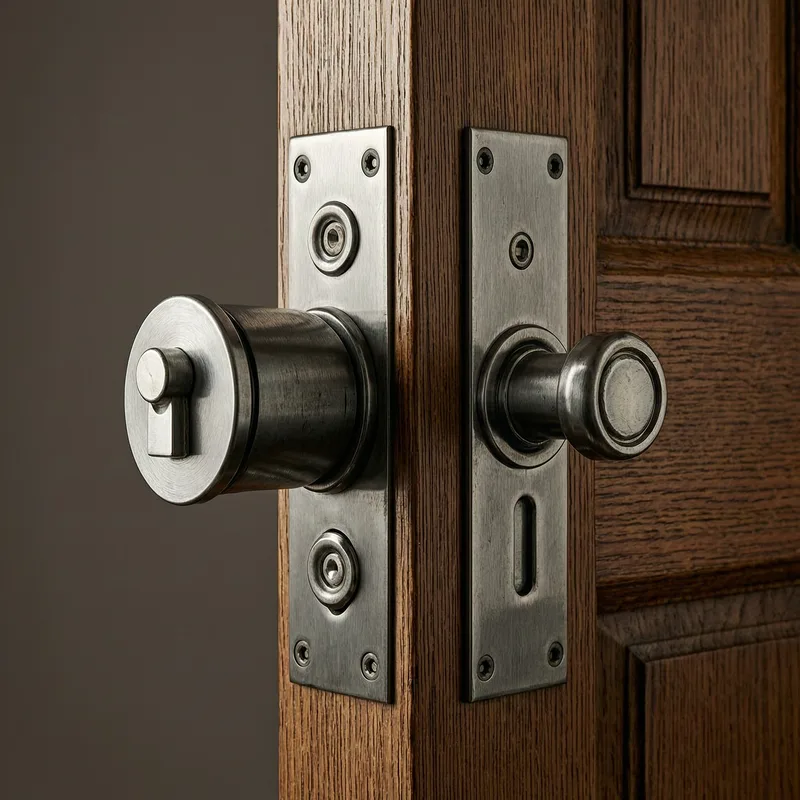
Strengthen Your Doors and Locks
The first line of defense against unauthorized entry is a robust door and lock system. In Germany, most residential doors are equipped with a standard Zimmertür or multi-point lock system. Before leaving for holiday, inspect all exterior doors—front, back, and side entrances—to ensure locks are functioning properly and keys cannot be easily duplicated from outside observation.
Consider upgrading to a certified German security lock, such as those meeting DIN 18251 standards. These locks resist picking, drilling, and force attacks. If you rent, contact your landlord (Vermieter) about approved upgrades. Many insurance policies in Germany require locks of specific security ratings, so check your policy requirements before investing in upgrades.
Additionally, install a door reinforcement kit or security bar on sliding glass doors, a common entry point for burglars. Ensure all door frames are sturdy and not cracked or splintered, as weak frames compromise even excellent locks. For maximum security, consider a smart lock with remote monitoring, allowing you to verify door status from abroad.
Windows and Ground-Level Entry Points
Windows represent a significant vulnerability, particularly in older German buildings common in Berlin, Munich, and other major cities. Before holiday, check all window locks (Fensterriegel) and ensure they are fully functional. Sash windows and tilting windows (Kippstellung) should be locked in the closed position, not left partially open for ventilation.
Ground-floor and basement windows require extra attention. Install window locks rated for security and consider adding decorative grilles (Fenstergitter) if permitted by your rental agreement. In some German neighborhoods, window bars are standard and actually improve property value. Close all external shutters (Fensterläden) if your home has them—this creates the impression of occupancy and blocks visual access to valuables inside.
Don't forget smaller entry points like bathroom windows, kitchen vents, and attic windows. Burglars exploit overlooked openings. Installing window sensors connected to a monitored alarm system provides both physical and electronic deterrence, and many German insurers offer premiums discounts for certified alarm systems (VdS or Ü certification).
Create the Illusion of Occupancy
An empty-looking home attracts burglars. Before leaving, implement measures to suggest ongoing occupancy. Use timer switches (Zeitschalter) to activate lights in different rooms at varying times throughout the evening—this mimics natural behavior and deters watchers. Modern smart home systems like Philips Hue or LEDVANCE (popular in Germany) allow remote scheduling from abroad and can be programmed to simulate occupancy patterns.
Ask a trusted neighbor or friend to periodically collect post, water plants, and park a vehicle in your driveway. In apartment buildings, inform your Hausmeister (building manager) of your absence so they can monitor your unit. Don't advertise your holiday on social media—posting vacation photos in real-time signals burglars that your home is empty. Additionally, suspend newspaper and mail delivery through Deutsche Post or request a trusted contact collect them.
Close curtains and blinds to prevent visual assessment of the interior, but not uniformly—vary which rooms have coverings closed. An entirely shuttered home can actually signal absence. Store valuables away from windows and secure jewelry, electronics, and important documents in a home safe bolted to the structure.
Consider a Professional Alarm System
For extended holidays or high-value properties, a monitored alarm system provides professional protection. German security standards DIN 14675 and VdS certification indicate professional installation and monitoring. Systems from companies like Securitas, Assegna, or ADT Deutschland include door/window sensors, motion detectors, and 24/7 monitoring with police dispatch. Many German insurers require professional alarm systems for valuable home contents and offer 10-15% premium reductions.
Alternatively, unmonitored DIY alarm systems (like wireless systems from hardware stores) activate audible alarms and send smartphone notifications, deterring casual burglars even without professional monitoring. Whatever system you choose, ensure you understand how to arm/disarm it remotely and that monitoring contact details are current. Post visible alarm system signage—even non-monitored systems act as deterrents. Before leaving, test your system thoroughly to ensure it functions properly while you're abroad.
Frequently Asked Questions
Never leave keys under doormats, plant pots, or other obvious hiding spots. Instead, entrust a spare key to a trusted neighbor or friend who can monitor your home. Never hide keys at the property. If you use professional monitoring or smart locks, ensure remote access credentials are secure and changed before returning home. Avoid leaving written key combinations or access codes inside the property.
Most German homeowners' insurance (Hausratversicherung) covers theft and break-ins, but policies often have specific security requirements. Your insurer may require certified locks, alarm systems, or other protective measures. Some policies impose restrictions if windows are left unlocked or doors are improperly secured. Review your policy document or contact your insurer before holiday to understand coverage conditions and confirm your precautions meet requirements.
Yes—in fact, it's recommended. Set your heating to a low temperature (around 12-14°C or 55°F) to prevent frozen pipes and water damage in German winter months, particularly in older buildings. Use a thermostat timer to maintain minimum heat. Never turn off heating completely, as frozen pipes can result in thousands of euros in repair costs. Modern smart thermostats allow remote adjustment, so you can increase temperature if you unexpectedly need to adjust it.
Yes, absolutely. Inform your Hausmeister (building caretaker) and landlord of your holiday dates. Provide emergency contact information. This allows them to notice unusual activity around your unit and respond quickly to alarms or issues. They may also assist with collecting post or checking for water leaks. Rental agreements in Germany often require tenants to inform landlords of extended absences, so confirm your lease terms.
Professional monitored alarm systems in Germany typically cost €50-150 per month for monitoring, with installation fees of €300-800 depending on system complexity. DIY wireless systems range from €100-400 for equipment without ongoing monitoring costs. Many German insurers offer premium discounts (often 10-15%) that partially offset system costs. Request quotes from VdS-certified providers for accurate pricing and to ensure systems meet insurance requirements.
English-speaking locksmiths available 24/7 across Germany.