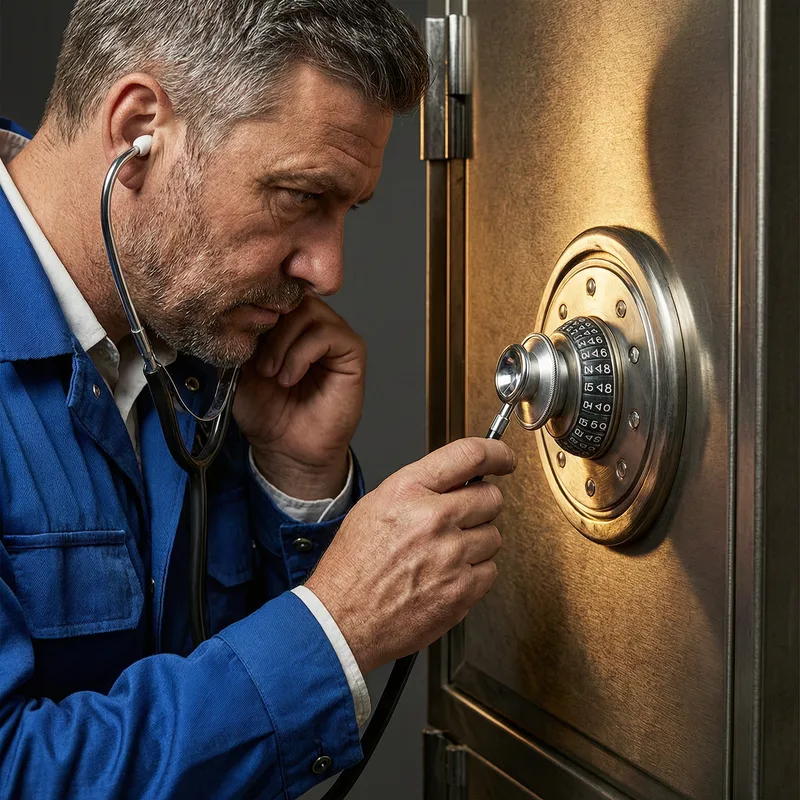
Safes are essential for protecting valuable documents, jewelry, and important items—but finding yourself locked out can be stressful, especially if you're new to Germany. Whether you've forgotten the combination, lost a key, or inherited a locked safe without access, professional safe opening is often your best option.
This guide explains how professional safe opening works in Germany, what to expect in terms of costs and methods, and how to choose a reliable locksmith. We'll cover the common safe brands found in German homes and offices, legal considerations, and practical steps to take if you're in this situation.
As an experienced locksmith service serving English-speaking expats and international residents across Germany, we understand the unique challenges of securing valuables in a new country. Let's walk through everything you need to know.
Common Safe Types in German Homes & Offices
Germany has a well-established safe market with several trusted manufacturers that dominate both residential and commercial spaces. Understanding what you own helps you prepare for professional opening and explains why different safes require different approaches.
Burg-Wächter is perhaps the most recognizable German brand, offering everything from compact home safes to large office models. You'll find their safes in countless German households because they balance quality and affordability. Wertheim is another premium manufacturer, often installed in banks and high-security environments, though smaller models exist for home use. Format and BASI are also widespread, particularly among renters and smaller businesses.
Most safes are categorized by their locking mechanism: key-operated locks (usually with a Profilzylinder or specialized key system), combination dials, or electronic locks with keypads or biometric access. Some older safes combine multiple systems. Professional locksmiths assess the safe type, manufacturer, and condition to determine the best opening method—destructive or non-destructive—and provide you with realistic timelines and costs.
Safe Opening Methods & What to Expect
Professional safe opening in Germany typically involves two main approaches: non-destructive and destructive methods. Your locksmith will recommend the best option based on your safe, the situation, and whether you want to preserve the safe for future use.
Non-destructive opening uses specialized techniques like lock manipulation, drilling precise points to access the locking mechanism, or electronic diagnostics—methods that preserve the safe's integrity. This is preferable if you want to keep the safe functional and is often less expensive. However, it requires skill and time; some safes may take several hours. The locksmith may also attempt to contact the manufacturer for override codes or access information, which can speed up the process.
Destructive opening involves cutting, drilling, or prying the safe open when non-destructive methods aren't viable or practical. This is faster but renders the safe unusable without repair. Insurance may cover this cost if the safe was damaged by an attempt to break in. Always check your Hausratversicherung (household insurance) policy—many German insurers cover locksmith costs for safe emergencies, provided you use a certified professional.
Costs, Legal Aspects & Insurance Coverage
Safe opening costs in Germany vary widely depending on the method, safe type, and locksmith experience. Non-destructive opening typically ranges from €150–€400, while destructive methods may cost €100–€300 but result in a damaged safe. Emergency services (evening, weekend, or holiday calls) usually incur a surcharge of 20–50% above standard rates. Always request a quote before work begins and ask for an itemized invoice afterward.
From a legal standpoint, you must prove ownership or authorized access rights to the safe. Locksmiths are required to verify this before opening—expect to show ID and documentation like a purchase receipt, rental agreement, or proof of inheritance. This protects you and prevents illegal access. If the safe was locked by a landlord or belongs to a rental property, you may need to contact them first or provide written permission.
Check your Hausratversicherung policy for coverage of locksmith and safe-opening costs. Many German insurers reimburse 70–100% of professional locksmith fees if you use a certified tradesperson (Handwerksbetrieb). Keep receipts and documentation for your claim.
Choosing a Trustworthy Locksmith in Germany
When selecting a locksmith for safe opening, prioritize experience, transparency, and local knowledge. Look for a Handwerksbetrieb (certified trade business) registered with the local chamber of commerce (Handwerkskammer). They should carry liability insurance and be willing to provide references or customer reviews. Ask about their experience with your specific safe brand—a locksmith familiar with Burg-Wächter or Wertheim safes will work more efficiently than someone unfamiliar with the model.
Communication is crucial, especially if you're not a native German speaker. Choose a service that offers English-language support and can explain the opening process clearly. Our locksmiths serve English-speaking expats, tourists, and international residents throughout Germany, and we're available for emergency calls. Request a written quote before work begins, and never pay upfront for non-emergency services. After the safe is opened, ask for recommendations on rekeying, combination changes, or safe replacement if needed.
Frequently Asked Questions
English-speaking locksmiths available 24/7 across Germany.