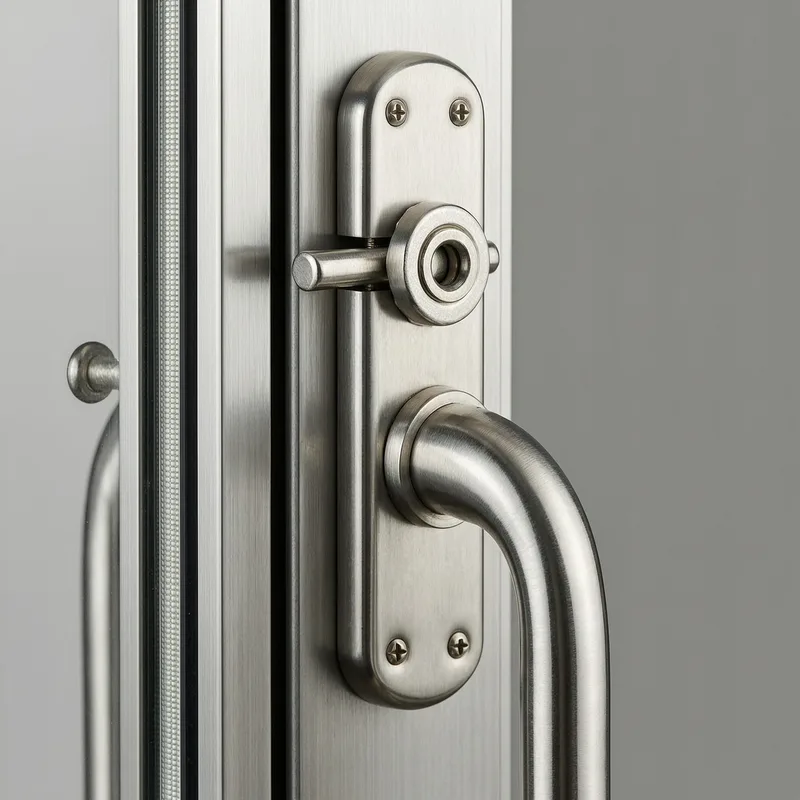
If you've recently moved to Germany, you may have noticed that patio and terrace doors are a standard feature in many apartments and houses. While they provide wonderful natural light and access to outdoor spaces, they also present a significant security challenge. German insurers and police regularly warn that sliding doors are among the most vulnerable entry points for break-ins, particularly if they lack proper security upgrades.
As an English-speaking expat, understanding German security standards and your options for door reinforcement is essential. This guide walks you through the regulations, available security solutions, and practical steps to protect your home while meeting German building codes.
German Security Standards for Patio Doors
Germany has strict building standards (DIN and EN norms) that govern door and window security. Standard patio doors in German residential properties typically come with basic locks that meet minimum legal requirements but offer limited protection against forced entry. The DIN EN 1627 standard classifies resistance levels (RC1–RC6) for windows and doors, with RC2 being the basic burglar resistance rating recommended for residential properties.
Most standard sliding doors in German apartments fall short of RC2 standards without additional security measures. German insurers often require proof of RC2 certification for full coverage, meaning your standard factory lock may not be sufficient for insurance purposes. Additionally, the Landeskriminalamt (state criminal police) regularly publishes crime statistics showing that inadequately secured patio doors are a major target for burglars in urban and suburban areas throughout Germany.
When renting an apartment in Germany, you should verify with your Hausverwalter (property manager) or landlord what security level your patio door currently meets and whether they permit tenant-installed upgrades. Understanding these standards helps you make informed decisions about which security improvements will be recognized by insurers and comply with German building regulations.
Essential Security Upgrades for Patio Doors
The most effective security upgrades for German patio doors include secondary locking mechanisms, security bars, and reinforced lock cylinders. A simple and popular solution is installing a Sperrstange (security bar or brace rod) that sits in the track and prevents the door from sliding open, even if the main lock is compromised. These bars are affordable, renter-friendly, and can be installed in minutes without drilling or permanent damage to the door frame.
For more permanent solutions, consider upgrading to a high-security lock cylinder (Zylinderschloss) rated DIN EN 1303 Class C or higher. This protects against picking and drilling attacks. You can also install additional lock points along the door frame using reinforced strike plates and mortise locks, which distribute force across multiple points and significantly increase resistance to forced entry.
Another effective option is installing laminated security film on the glass panes, which prevents glass from shattering easily and delays forced entry. Many expats also use sensor-based alarms connected to their smartphones or a local monitoring service, providing real-time alerts if doors are opened unexpectedly. When selecting upgrades, confirm they meet RC2 standards and verify with your landlord (if renting) that modifications are permitted before installation.
Rental vs. Owned Property Considerations
If you're renting your apartment in Germany, you have fewer options than homeowners but still possess rights regarding security modifications. Under German tenant law (Mietrecht), you can install temporary security upgrades like portable bars, adhesive films, and alarm systems without landlord permission, provided they cause no permanent damage. However, drilling into door frames or permanently replacing locks typically requires written approval (Erlaubnis) from your landlord or Hausverwalter.
Homeowners in Germany enjoy complete freedom to upgrade security systems, though they must still comply with building codes if modifications affect the property's structural integrity or fire safety. Consider that high-quality security upgrades increase property value and may reduce insurance premiums, making them a worthwhile investment. When selling a home, mention security certifications and upgrades to potential buyers, as they are viewed positively in the German real estate market.
Professional Installation and Support
While many basic security upgrades can be installed by tenants, complex modifications like lock replacement, reinforced frame installation, or alarm system integration are best handled by certified locksmiths. Professional installers ensure all work meets German DIN standards, provide documentation for insurance purposes, and often offer warranties on their work. In Germany, locksmiths must be registered with the Handwerkskammer (chamber of skilled trades) and follow strict regulations.
If you need expert advice tailored to your specific patio door setup, contact our team at 015161134271. We provide security assessments for English-speaking expats and can recommend solutions that comply with German regulations and your insurance requirements. Whether you're renting or own your property, professional guidance ensures your investment in security is both effective and legally compliant.
Frequently Asked Questions
German insurers recommend RC2 certification (DIN EN 1627), which signifies basic burglar resistance. Many insurance policies require RC2 compliance for full coverage on break-in claims. If your current patio door lacks this certification, upgrades like reinforced locks, security bars, or additional lock points can help achieve this standard.
Yes, you can install temporary upgrades like security bars, adhesive safety films, and portable alarms without landlord permission. Permanent modifications (drilling, lock replacement) require written approval (Erlaubnis) from your landlord or Hausverwalter. Always request permission in writing to avoid disputes when moving out.
Security bars (Sperrstangen) are highly effective and affordable solutions that prevent doors from sliding open. Even if a burglar defeats the main lock, a properly installed bar in the track provides significant resistance. Bars are popular in Germany because they are renter-friendly, quick to install, and meet insurance requirements when used alongside quality locks.
Costs vary depending on the upgrade type. A quality security bar costs €30–100, lock cylinder replacement ranges from €100–300, and reinforced lock systems with multiple points cost €200–500 or more. Professional installation adds labor costs of €50–150 per hour. For an accurate quote tailored to your specific door type, contact a certified locksmith in your area.
Many German insurance companies offer premium discounts (typically 5–15%) for properties with certified RC2 or higher security measures on doors and windows. Provide your insurer with documentation of upgrades and certifications. Homeowners benefit most from these discounts, making security improvements a smart long-term investment.
English-speaking locksmiths available 24/7 across Germany.