Moving out of a rental apartment in Germany involves many responsibilities, and handling the locks correctly is one of the most important. As an English-speaking expat, you may be unfamiliar with German landlord-tenant law and the specific expectations around lock returns. Failing to return locks or handing them over improperly can result in disputes, deposit deductions, or even legal complications.
This guide covers everything you need to know about locks when leaving a German apartment, from understanding your legal obligations to executing a smooth handover process. Whether you're moving back to your home country or relocating within Germany, following these steps will protect both you and your landlord.
Legal Obligations for Lock Returns
Under German tenant law (Mietrecht), you are contractually obligated to return all keys and locks to your landlord in the condition you received them. This is not optional—it is a fundamental requirement outlined in most rental agreements (Mietvertrag). The landlord must be able to regain full control and security of the property after you move out.
If the locks were changed during your tenancy at the landlord's request or with their consent, you should return the original locks. If you changed the locks without permission, this is typically a violation of your rental contract and can result in significant financial penalties. The landlord has the legal right to charge you for restoration costs and may withhold money from your security deposit (Kaution).
German courts have consistently ruled that tenants must leave the apartment in the same condition as received, with all access points secure and functional. This means locks must be operational and present at the time of handover, not missing or damaged.
Locks You Must Return vs. Standard Fixtures
Understanding which locks are your responsibility is crucial. Standard door locks and window locks that were part of the original apartment installation are landlord property and must be returned in working condition. These include the main entrance lock, interior door locks, and any window security locks. You should never have possession of spare keys or the ability to keep duplicates.
Locks you installed yourself present a different scenario. If you added additional security locks, deadbolts (Zusatzschlösser), or chain locks at your own expense and with the landlord's permission, clarify the return expectations in writing. Some landlords may allow you to remove them, while others require they remain. German law typically requires these modifications to be documented and agreed upon in advance.
Cylinder locks (Schließzylinder) in German apartments are often replaceable components. If yours was damaged or worn, discuss with your landlord whether you should replace it at your cost or if the landlord will handle it. Always document these conversations via email to protect yourself during the move-out inspection (Wohnungsübergabe).
The Move-Out Inspection Process
The move-out inspection (Übergabeprotokoll or Wohnungsübergabe) is a formal procedure in Germany where the landlord or property manager documents the apartment's condition and receives all keys. Schedule this inspection at least one to two weeks before your move-out date. Request that the inspection happen when the apartment is empty but before you've surrendered the keys—this is standard practice.
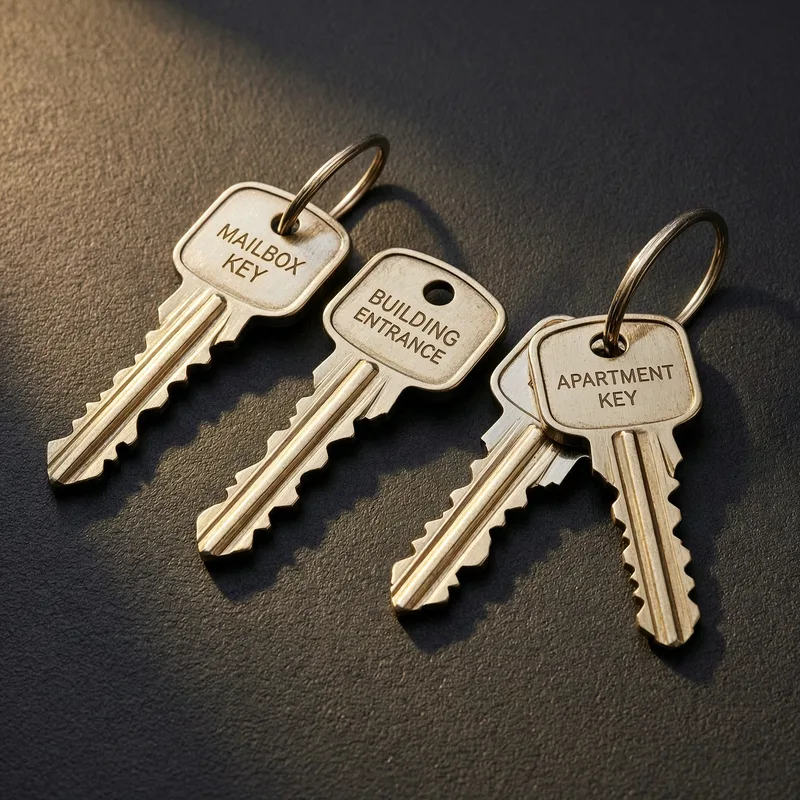
Attend the inspection personally if possible. Bring copies of your move-in documentation (Übergabeprotokoll from when you moved in) to compare conditions. The landlord or manager will verify that all locks are present, functional, and secure. They will collect all keys—main entrance, apartment entrance, mailbox, basement, bike storage, and any others. This is documented in writing on the protocol.
Request a copy of the completed inspection protocol showing that all keys were returned and the apartment's condition is acceptable. This protects you from future claims regarding missing keys or lock damage. If you cannot attend, have a trusted person represent you, but in-person attendance is highly recommended.
Handling Lock Problems Before Moving
If a lock is broken, stuck, or not functioning properly as you approach your move-out date, contact your landlord immediately—do not attempt repairs yourself without permission. German landlords are obligated to maintain the property, including locks, so this may fall under their responsibility. Document any issues with photos and email correspondence.
If the lock issue is due to normal wear and tear, the landlord typically covers replacement. If it resulted from your negligence or misuse, you may be liable for costs. By addressing problems early and in writing, you establish clear responsibility and avoid surprises during the final inspection. Never leave a broken lock unresolved, as this will almost certainly result in deposit deductions.
Frequently Asked Questions
Inform your landlord immediately in writing. You may be responsible for the cost of rekeying the lock (typically €50–150 in Germany), depending on your lease agreement. Transparency is essential—hiding lost keys leads to greater complications. Your landlord will likely require the lock to be changed for security reasons before you move out.
Making unauthorized copies of keys is not recommended and may violate your lease. If you want additional keys, ask the landlord for permission first. Some landlords will provide them; others will not. Always keep key duplication above board and documented in writing to avoid disputes during move-out.
If you returned all keys in good condition and have documentation, dispute the deduction. Request an itemized list of damages and cost estimates. German tenants have strong legal protections under BGB (Bürgerliches Gesetzbuch). Consider consulting a tenant rights organization (Mieterschutzbund) or a lawyer if the deduction seems unjustified.
You should not change locks before you move out. This violates most rental agreements. Before moving in, you can request that the landlord provide new cylinders for hygiene and security reasons—many landlords do this automatically between tenants. Document any changes made before your tenancy begins.
With smart locks, deactivate your digital access and return any physical backup keys. Provide the landlord with updated access codes or ensure they can change the system settings themselves. Document the handover of access credentials in writing, including proof that your digital access has been removed. This is increasingly common in modern German apartments.
English-speaking locksmiths available 24/7 across Germany.