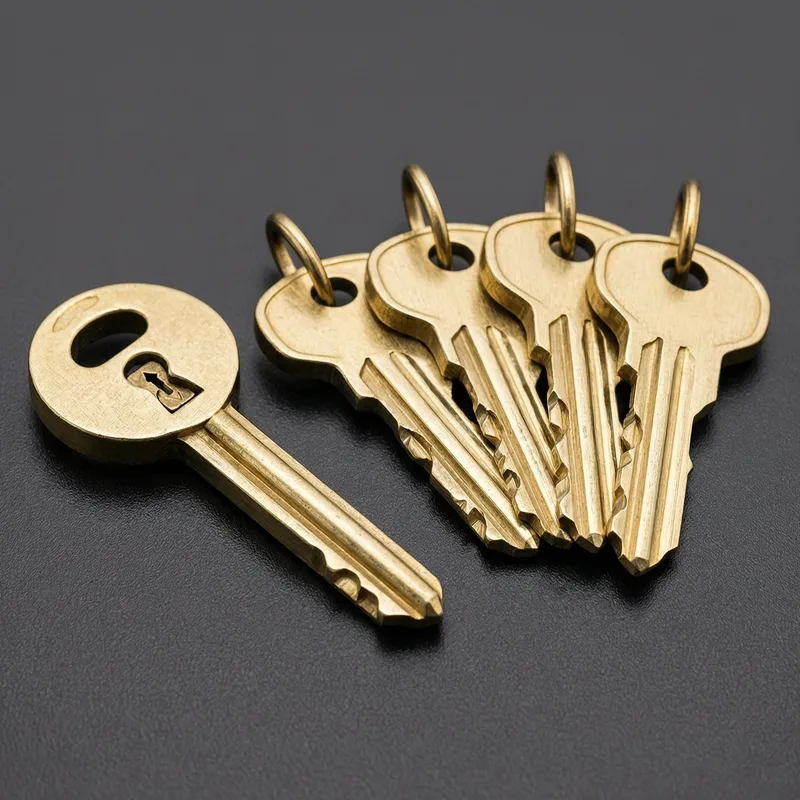
Managing multiple properties or units in Germany often requires convenient yet secure access solutions. Master key systems—where a single key opens multiple locks while individual keys remain independent—are popular among landlords, property managers, and business owners. As an English-speaking expat or international resident in Germany, understanding how these systems work, their legal framework, and security implications is essential for protecting your investment.
German building standards and security regulations set specific requirements for master key systems, particularly in rental properties and commercial buildings. This guide covers everything you need to know about implementing a master key system that complies with German law while meeting your practical needs.
How Master Key Systems Work
A master key system uses a hierarchical locking arrangement where multiple individual locks can be opened by one master key, while each lock also has its own unique key. The system relies on specially designed pin configurations inside each lock cylinder that align with both the master key and the individual key. In Germany, these systems are typically installed by certified locksmiths (Schlüsseldienste) who understand the DIN EN standards governing lock security.
German manufacturers like ASSA ABLOY, Winkhaus, and Häfele produce high-quality master key systems that meet strict DIN EN ISO 6208 standards. The mechanical design ensures that the master key's profile aligns with specific pins while individual keys operate independently. For expats managing rental properties with multiple tenants, this system allows you to access all units in an emergency while respecting tenants' privacy through their individual keys.
Modern German master key systems can be combined with electronic access control for enhanced security. Many property managers in Germany now integrate mechanical master keys with digital systems, allowing temporary access codes and detailed access logs—particularly useful for managing international teams or frequent tenant turnover.
German Legal Requirements and Standards
Master key systems in Germany are regulated by several legal frameworks. The DIN EN 1303 standard defines security grades for locks, while DIN EN ISO 6208 specifies mechanical symbol codes. For residential properties, the Mietvertrag (rental agreement) must clearly state whether a master key system is in place and under what conditions the landlord may access the property. Expats should ensure their master key arrangements comply with Datenschutz (data protection) regulations if electronic components are involved.
German law requires that landlords provide reasonable access arrangements for maintenance, repairs, and inspections. However, tenants have a right to privacy (Privatsphäre) under German law and the German Constitution. Master key systems must be documented in the rental contract, and landlords typically must provide 24 hours' notice before entering a property—with exceptions for genuine emergencies. As an expat, working with a local property management company (Hausverwaltung) is advisable to ensure full legal compliance.
Insurance companies (Versicherungen) in Germany often require specific security standards for properties with multiple units. Having a professionally installed master key system from a certified locksmith can reduce insurance premiums and provide documentation of security measures. Always request a Sicherheitszertifikat (security certificate) from your locksmith confirming compliance with German standards.
Advantages for International Property Owners
Master key systems offer significant benefits for expats managing German properties from abroad. A single master key simplifies emergency access without requiring you to carry multiple keys or contact different locksmiths for each unit. If you're overseeing a Mehrfamilienhaus (multi-family building) or commercial property with several tenants, a master key system streamlines maintenance visits, inspections, and emergency response. German property law recognizes master keys as a legitimate and practical management tool when properly documented and legally implemented.
For international business owners with multiple office spaces or warehouse units in Germany, master key systems reduce operational complexity while maintaining individual department security. They also simplify the handover process when selling a property—the new owner receives documentation of the system and can arrange key changes with a certified locksmith. This transparency is important in Germany's real estate market (Immobilienmarkt), where security documentation is expected by potential buyers and insurance providers.
Installation and Maintenance Best Practices
Always hire a certified locksmith (Schlüsseldienst) registered in Germany to design and install your master key system. Professional installation ensures compliance with DIN standards and provides documentation required by insurance companies and legal authorities. The locksmith should provide detailed blueprints of the system, a list of all lock cylinders involved, and replacement key blanks stored securely. Most German locksmiths charge between €150–€400 per lock for master key system installation, depending on complexity and lock quality.
Regular maintenance of master key systems is essential. Have your locksmith inspect the system annually, checking for wear on cylinders and testing key functionality. In Germany, keeping detailed records (Schlüsselregister) of all master keys, who holds them, and access dates is considered best practice and may be required by your insurance policy. If a key is lost or stolen, report it immediately to your locksmith—they can rekey individual locks or redesign the entire system to maintain security integrity.
Frequently Asked Questions
Yes, master key systems are legal in Germany for rental properties, but they must be clearly documented in the rental agreement (Mietvertrag). Landlords are required to comply with tenant privacy rights and DIN EN standards. Always consult your property management company or a lawyer familiar with German Mietrecht (rental law) to ensure your system is properly documented and legally sound.
Professional installation of a master key system in Germany typically costs €150–€400 per lock, depending on the lock quality and system complexity. A complete system for a small multi-family building (4–8 units) might cost €1,200–€3,000. Additional costs include annual maintenance inspections (€80–€150) and emergency service calls. Request detailed quotes from multiple certified locksmiths (Schlüsseldienste) before deciding.
If you lose your master key, immediately contact a certified German locksmith. Depending on your security needs, they can either rekey the affected locks individually or redesign the entire master key system. For rental properties, inform your insurance company (Versicherung) and check whether the loss is covered. In Germany, you should also update your Schlüsselregister (key register) and notify tenants as required by your rental agreements.
Yes, many modern German properties combine mechanical master keys with electronic access control systems for enhanced security and flexibility. This hybrid approach allows temporary access codes, detailed logs, and remote management. When implementing electronic components, ensure the system complies with German data protection laws (GDPR and BDSG). Consult with certified locksmiths and security specialists experienced with German buildings and regulations.
Most German insurance companies (Hausratversicherung and Gebäudeversicherung) recognize professionally installed master key systems and may even offer premium reductions. However, you must provide documentation from a certified locksmith confirming DIN EN compliance and proper installation. Always inform your insurer about your master key system and keep records of maintenance checks. This transparency protects your coverage and demonstrates responsible property management.
English-speaking locksmiths available 24/7 across Germany.