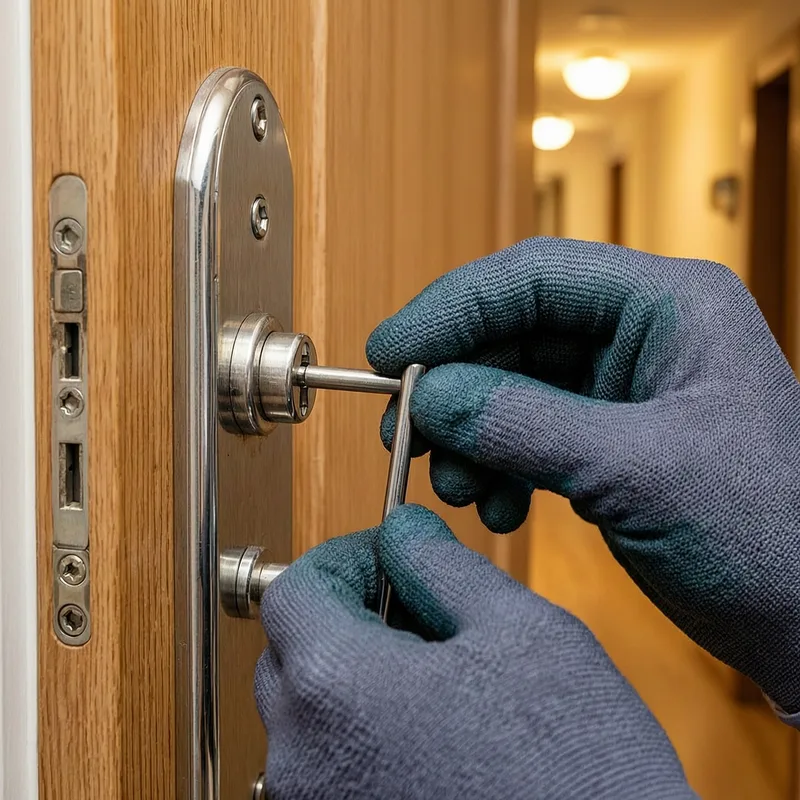
Being locked out of your apartment is stressful anywhere, but navigating the situation as an English-speaking expat or international resident in Germany adds extra layers of complexity. You're unfamiliar with local locksmith services, uncertain about costs, confused about tenant rights, and unsure who to call first.
This guide walks you through every step: immediate actions to take, how to find a trustworthy locksmith, what to expect legally and financially, and practical ways to prevent lockouts in the future. Whether you're renting or own your apartment, this information will help you regain access safely and understand your rights throughout the process.
Immediate Steps When You're Locked Out
Stay calm and assess your situation first. Confirm that you're genuinely locked out—check all doors and windows, and ask a trusted neighbor if you've left a spare key with them. Before calling a locksmith, consider whether the building has a caretaker (Hausmeister or Hausmeisterin) on site. Many apartment buildings employ caretakers who hold spare keys and can often let you in quickly, sometimes at no charge or for a small fee.
If you rent the apartment, contact your landlord immediately. German rental law (Mietrecht) places certain responsibilities on landlords, and they may have access or preferences about who opens the door. Be prepared to provide proof of your residency, such as your rental agreement or registration document (Meldung).
Document your lockout for insurance and record-keeping purposes. Note the time, date, and circumstances. If you have Hausratversicherung (contents insurance), check whether it covers lockout assistance—some policies do provide support or cost reimbursement.
Finding and Using a Locksmith in Germany
When you need professional help, call a licensed locksmith (Schlüsseldienst). We dispatch locksmiths throughout Germany who understand English-speaking customers' needs and can communicate clearly about costs and procedures. Always ask for a price estimate before work begins—this is standard practice and protects you from surprise bills.
German locksmiths work under strict regulations and professional standards. Expect to pay between €80–€150 for a standard lockout call during normal business hours (weekday mornings and afternoons). Emergency calls outside normal hours, weekends, or holidays incur surcharges, sometimes doubling the base fee. Reputable locksmiths will provide an itemized invoice showing the service charge, materials, and any additional fees.
When the locksmith arrives, ask for identification and verify they're properly licensed. Professional locksmiths in Germany follow DIN EN 1627 standards and use non-destructive entry methods whenever possible, protecting your door and lock. They'll work efficiently and should explain what they're doing as they work.
Understanding Your Rights and Costs
As a tenant in Germany, you have specific rights when locked out. If your landlord or the building caretaker causes the lockout through negligence (for example, by changing the lock without notice), you may not be responsible for locksmith costs—German rental law may require the landlord to cover these expenses. Document everything and communicate in writing (email is acceptable) with your landlord about what happened.
For owner-occupied apartments, these costs are your responsibility. Keep receipts for insurance claims if applicable. If you own the apartment and face repeated lockouts, consider installing a keypad lock, biometric lock, or giving a spare to a trusted neighbor or family member.
Be aware that some locksmiths may quote unreasonably high prices to English-speaking customers. This is why getting a quote over the phone before they arrive is crucial. If a quote seems excessive (over €200 for standard daytime access), ask questions or consider calling another locksmith.
Prevention: Avoiding Future Lockouts
The best approach is prevention. Keep a spare key with a trusted neighbor, friend, or family member—this is far cheaper than a locksmith callout. Some expats maintain a spare with their employer or a local contact they trust. Never hide keys outside your apartment (under doormats, planters, or window ledges), as this is the first place burglars look.
If you rent, discuss spare key arrangements with your landlord first. Modern alternatives include keypad locks, smart locks with temporary access codes, or biometric entry systems—though these require landlord approval in rental situations. For frequent travelers or those prone to forgetfulness, electronic locks offer genuine security and convenience without the locksmith expense.
Frequently Asked Questions
English-speaking locksmiths available 24/7 across Germany.