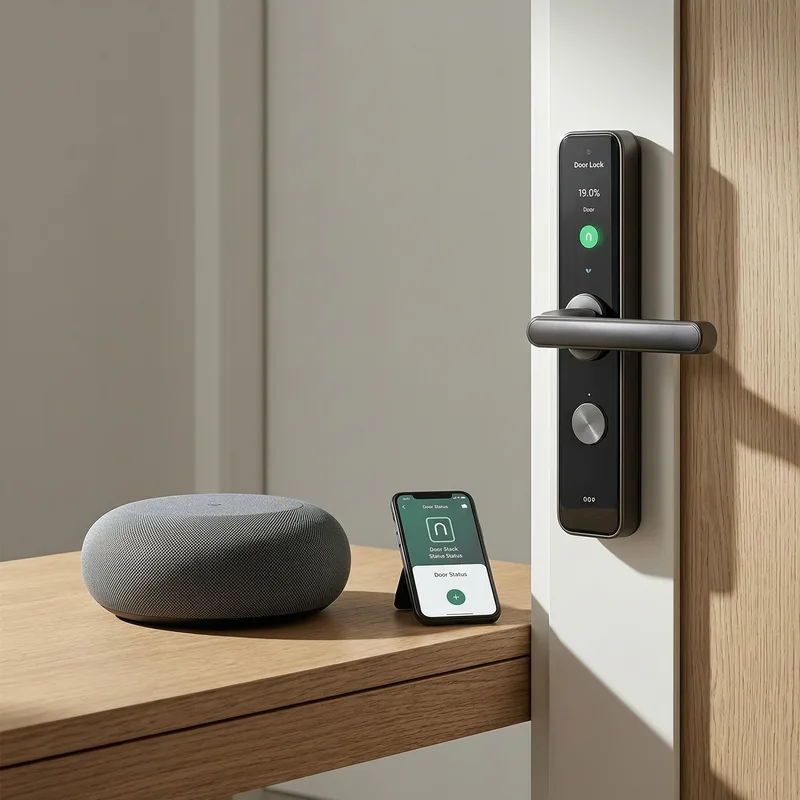
Securing your home in Germany is both a practical necessity and a legal responsibility. For English-speaking expats and international residents, smart home door security offers a modern solution that combines convenience with peace of mind. German homes have specific security standards and building codes that influence which systems work best, and understanding these requirements is essential before investing in automation technology.
This guide walks you through the landscape of smart door locks, access control systems, and integrated home security solutions available in Germany. We'll cover DIN standards, installation requirements, compatibility with German building regulations, and how to choose systems that genuinely enhance your home's security rather than merely looking impressive.
Understanding German Door Security Standards
Germany enforces strict building and security standards through the DIN (Deutsches Institut für Normung) system. The most relevant standard for door locks is DIN 18251, which classifies mechanical locks by security level. Smart locks must either meet these standards themselves or work alongside certified mechanical locks to maintain legal compliance and insurance validity.
When selecting a smart door lock for your German home, verify that it carries the CE mark and complies with DIN 18251 (for mechanical components) and relevant electronics standards. Insurance companies in Germany often require proof of certified locks—a system that merely looks modern may not be sufficient for coverage. Many insurers will not cover break-ins if your door hardware doesn't meet minimum security grades.
Additionally, if you're renting (which is common for expats), landlord permission is typically required before installing smart locks. German rental law (Mietrecht) restricts modifications to the property. Always check your lease and communicate with your Hausverwaltung (building management) before proceeding with any door security upgrades.
Types of Smart Door Locks Available in Germany
Smart door locks in Germany fall into several categories: fully electronic locks (which replace the entire cylinder), smart cylinders (which integrate with existing mechanical locks), and retrofit systems (which add smart features to standard doors). Each type offers different benefits and installation requirements. Retrofit systems are often preferred by renters and those wanting to preserve original hardware.
Popular German-compatible brands include Häring, Assa Abloy (Yale), Dorma, and Gege. These manufacturers produce locks that integrate with home automation systems like KNX (a German automation standard), Z-Wave, or WiFi-based platforms. The KNX standard is particularly prevalent in Germany and offers excellent interoperability with other home systems like lighting and heating.
Battery-powered wireless systems offer flexibility during installation but require regular monitoring to prevent lockouts due to dead batteries. Hardwired systems provide reliability but demand professional installation and may require modifications to your door frame. Hybrid systems—combining mechanical reliability with digital convenience—are increasingly popular among expats seeking redundancy and security peace of mind.
Installation, Integration & Best Practices
Professional installation by a certified locksmith (Schlüsseldienst) is strongly recommended for smart door locks in Germany. A qualified technician ensures the system meets DIN standards, functions reliably, and doesn't void warranties or insurance coverage. Installation costs typically range from €150–€400, depending on lock type and door complexity. Always request documentation of compliance and certification upon completion.
Integration with your broader home automation system requires careful planning. If you already use KNX, adding a KNX-compatible smart lock is seamless. For those building new systems, consider starting with a locked ecosystem (one brand for all devices) rather than mixing incompatible platforms. Smartphone access should use encrypted protocols; avoid systems relying solely on cloud servers without local network fallback options.
Best practices include: maintaining a mechanical backup key (not stored digitally), testing emergency access procedures regularly, keeping firmware updated, and ensuring your home network is secure with strong passwords. Regular maintenance checks—every 6–12 months—help prevent issues before they become lockouts.
Costs, Permits & Long-Term Considerations
Budget €800–€2,500 total for a quality smart lock system including the lock (€300–€800), professional installation (€150–€400), and integration with existing home systems (€200–€500). Permits are generally not required for simple lock replacement, but if your door requires structural modification, your Hausverwaltung must approve the work. Document all changes and keep receipts for insurance purposes.
Consider future-proofing: choose systems with firmware update capabilities and good manufacturer support in Germany. Avoid systems dependent on discontinued cloud platforms. If you're planning to move within Germany or internationally, select locks that are removable and transferable or plan for reinstallation costs. Finally, inform your insurance provider of your security upgrades—many offer discounts for certified smart systems, offsetting initial investment over time.
Frequently Asked Questions
No. German rental law (Mietrecht) requires landlord or Hausverwaltung approval for modifications, including smart locks. Unauthorized installation can breach your lease. Always request written permission before proceeding. Many landlords accept non-damaging retrofit systems or temporary solutions.
Only if they comply with DIN 18251 standards. Check with your insurer (Versicherung) before purchase—many require certification. Insurance may refuse claims if the lock doesn't meet minimum security grades. Always request proof of compliance from the installer.
Quality smart locks include mechanical backup (keyhole) access. Always maintain a spare mechanical key stored securely outside your home. Test emergency access quarterly. Some systems allow temporary battery replacement or emergency unlock via app; verify this with your chosen lock model.
KNX is the German standard and offers superior interoperability with other smart home systems, plus better reliability in networked homes. WiFi locks offer easier smartphone control but depend on internet stability. Hybrid systems or KNX are recommended for long-term security in Germany.
Professional installation by a certified Schlüsseldienst typically costs €150–€400, depending on lock complexity and door type. Always get a written quote before work begins. This fee is worth the investment to ensure DIN compliance, proper function, and valid insurance coverage.
English-speaking locksmiths available 24/7 across Germany.