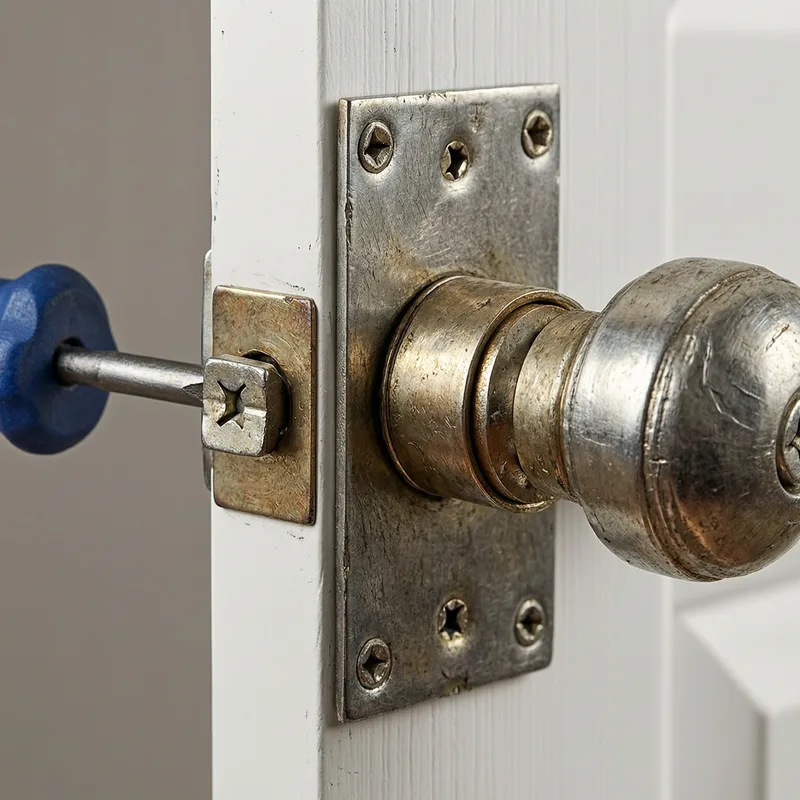
Discovering your door won't open is stressful, particularly if you're an expat, tourist, or international worker unfamiliar with German locking mechanisms and building standards. Whether you're locked out, the door is stuck, or the lock mechanism has failed, knowing what's causing the problem and who to contact makes all the difference.
German buildings often feature robust locking systems that meet DIN EN 1627 standards, making them highly secure but sometimes challenging to troubleshoot. This guide walks you through the most common reasons doors fail to open in Germany and provides practical solutions tailored to English-speaking residents and visitors.
Common Causes of Door Opening Problems
Door problems in Germany fall into several categories. Mechanical jamming occurs when the door frame shifts due to temperature changes, humidity, or settling. German buildings with wooden doors are particularly susceptible to swelling in humid seasons. The door may be physically stuck in the frame even if the lock itself works perfectly.
Lock mechanism failure is another frequent issue. The Profilzylinder (profile cylinder) or Doppelzylinder (double cylinder) that secures most German doors can wear out, accumulate debris, or become damaged. Sometimes the key turns but the bolt doesn't retract, indicating internal pin failure.
Frozen locks occur in winter, especially in northern Germany. Ice buildup inside the cylinder prevents the key from turning. Broken keys are equally common—a portion lodges in the lock, physically blocking access. Additionally, misaligned doors caused by worn hinges or floor settling can prevent the bolt from fully retracting, making the door unmovable even when the lock functions.
Immediate Steps Before Calling a Locksmith
Before contacting a professional, try safe troubleshooting. Check the obvious first: Is the door locked? Some German locks have privacy latches that can jam. Gently apply shoulder pressure while turning the key—don't force it violently, as this damages the mechanism further.
For frozen locks in winter, apply lock de-icer spray (Türschloss-Enteiser) available at any German hardware store (Baumarkt). Warm water applied carefully around the keyhole can also help, though avoid sudden temperature shocks that crack the mechanism. For wooden doors that have swollen, try reducing humidity inside or opening windows to equalize moisture.
If the door is physically stuck but unlocked, try lifting the door handle upward while turning the key—this reduces frame pressure. Tap the frame gently with a rubber mallet to help realign it. Do not use a hammer, as this damages the door. If the key is visibly broken inside the lock, don't attempt extraction yourself; this risks pushing fragments deeper.
When to Call a Professional Locksmith
Contact a locksmith immediately if you're locked out with no key access, if a key is broken inside the lock, or if you've tried basic solutions without success. In Germany, professional locksmiths (Schlüsseldienste) are highly regulated and certified. When you call, provide your address and describe the problem clearly—this helps dispatchers send the right technician with appropriate tools.
Emergency locksmith services operate 24/7 throughout Germany. Our locksmiths serve all major cities and regions, responding to residential, commercial, and automotive lock emergencies. For immediate assistance, call 015161134271 (available in English). Have your address, identification, and proof of residency ready.
Special Considerations for Renters and Insurance
If you're renting in Germany, understanding Mietrecht (rental law) is crucial. You cannot change locks without landlord permission. Before calling a locksmith, notify your landlord (Vermieter) immediately—they may provide keys or contact their preferred service. Some landlords have agreements with locksmiths that reduce costs.
Check your Hausratversicherung (household contents insurance). Many policies cover locksmith costs for emergency access, though some require certified, registered locksmiths. Keep receipts for your claim. If the lock is damaged due to break-in attempts, this may fall under insurance coverage, but document everything with photos.
Frequently Asked Questions
English-speaking locksmiths available 24/7 across Germany.