Moving to Germany with young children brings unique challenges, especially when understanding local housing standards and safety regulations. German homes often feature different door and window mechanisms than those you may be familiar with from your home country, requiring specific childproofing approaches. This comprehensive guide provides English-speaking expat families with practical, legal, and effective solutions for creating a secure environment.
Whether you're renting an apartment in Berlin, a house in Munich, or anywhere across Germany, childproofing your locks and safety systems is essential. German landlords have specific responsibilities under tenant law, but as a parent, you'll want to implement additional protective measures quickly. We'll walk you through German-specific lock types, safety standards (DIN norms), and practical solutions that won't compromise your rental deposit.
Understanding German Door & Window Locks
German homes typically feature robust multi-point locking systems (Mehrpunktverriegelung) on exterior doors and windows, which are far more secure than many international alternatives. However, these sophisticated locks can be challenging for young children to operate—both a safety advantage and a potential concern if your child needs emergency exit routes. Most German windows use Dreh-Kipp mechanisms (turn-tilt handles), which allow both turning and tilting functions from a single handle, and these are standard across residential properties.
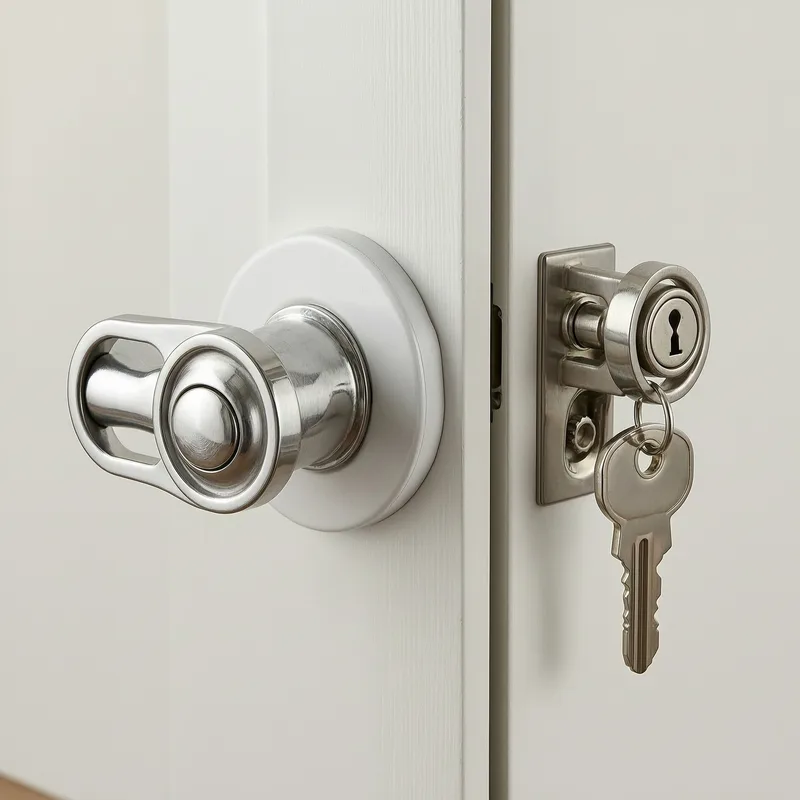
Interior doors in German homes often use simple barrel locks or push-button mechanisms that don't provide childproofing. Understanding this distinction is crucial: exterior doors are naturally secure, but interior doors separating dangerous areas (kitchens, bathrooms, stairs) require additional safety interventions. German building codes (DIN standards) emphasize accessibility and emergency egress, meaning you cannot completely block emergency exits—an important legal consideration for expat families.
Before installing any childproofing devices, review your rental contract or property deed. German tenancy law (BGB § 553) allows minor safety modifications, but you must restore the property when leaving. Consult with your landlord before making permanent changes; many are cooperative if you present a professional safety plan and promise restoration.
Childproof Lock Solutions for Interior Doors
Sliding door locks and cabinet catches are your first line of defense for kitchens, bathrooms, and storage areas. German hardware stores (Baumarkt) like Bauhaus, OBI, and Hornbach stock international childproofing brands such as Roba, Geuther, and Paidi, alongside German manufacturers. Magnetic locks and pressure-mounted gates are popular choices that don't require drilling or permanent installation—ideal for renters. Spring-loaded door closers combined with safety handles prevent fingers from being caught in doors.
For stairways, German safety standards (DIN EN 1930) recommend pressure-mounted safety gates rather than fixed installations in rental properties. Brands like Geuther and Hauck offer gates specifically designed for European doorways and stairwells. These gates must be certified and install securely without permanent wall damage. When selecting gates, ensure they meet CE certification and DIN safety standards—never purchase uncertified products, as German safety regulations are stringent.
Window safety is equally important. While you cannot modify fixed multi-point locks without landlord permission, you can install window locks (Fenstersicherungen) on existing handles that prevent full opening—limiting access to small children while maintaining emergency egress for adults. Corner retailers and online stores like Amazon.de, Baumarkt websites, and specialist child safety shops offer quick-install solutions.
Legal Requirements & Landlord Coordination
German landlord-tenant law (Bürgerliches Gesetzbuch) provides framework protections but places responsibility on tenants for day-to-day safety modifications. Landlords must maintain structural safety and provide functioning locks, but they are not legally obligated to provide childproofing. However, most German landlords are reasonable: present your safety plan in writing, propose non-permanent solutions, and offer to document all changes with photos. This professional approach builds trust and protects your deposit.
When renting, request written permission for any modifications, specifying that you'll restore the property in original condition. Keep receipts and take before-and-after photos. German tenancy disputes often involve deposit claims, and documentation protects you. If your landlord refuses reasonable safety measures, consider reporting to local tenant associations (Mietverein) in your city—they provide free legal guidance for renters.
Emergency Planning & Professional Installation
Even with comprehensive childproofing, create clear emergency escape plans with your family. Ensure that older children understand how to unlock doors in emergencies and that all caregivers (babysitters, grandparents) know exit routes. Install smoke and carbon monoxide detectors in bedrooms and hallways—German fire safety codes (Brandschutzordnung) require these in many states. German locksmith professionals (Schlüsseldienste) can assess your home and recommend customized solutions; call one for a free consultation at 015161134271.
Professional locksmiths understand German safety standards and rental restrictions better than generalist handymen. They can install systems that comply with DIN norms, won't damage walls, and can be easily reversed. For expat families unfamiliar with German construction and regulations, this investment (typically €100–300 for a comprehensive assessment and installation) provides peace of mind and legal protection.
Frequently Asked Questions
No, permanent installations typically violate rental agreements and risk your deposit. Instead, use pressure-mounted gates, magnetic locks, and removable safety devices. Always request written permission from your landlord before any installation, even temporary ones. German tenancy law allows minor safety modifications if you can restore the property to its original state.
Yes, German homes feature multi-point locking systems (Mehrpunktverriegelung) and Dreh-Kipp window mechanisms that are much more secure than many international standards. However, interior doors often lack childproof locks. Understanding these differences helps you identify which areas need additional safety interventions and prevents over-securing emergency exits.
All childproofing products should carry CE certification and comply with DIN standards (Deutsches Institut für Normung). Look for DIN EN 1930 (safety gates), DIN EN 71 (toy and children's product safety), and DIN EN 13954 (window restrictors). Check product labels or ask retailers—German Baumärkte staff can identify certified products. Uncertified imports may not meet German safety requirements.
Major hardware chains like Bauhaus, OBI, and Hornbach stock childproofing products from brands such as Roba, Geuther, and Paidi. Online options include Amazon.de, eBay.de, and specialized child safety retailers. Local Schlüsseldienste (locksmiths) can also recommend and source professional-grade products. Compare prices and verify CE/DIN certification before purchasing.
No. German fire and emergency safety regulations (Brandschutzordnung) prohibit blocking emergency egress routes. Install safety devices that prevent young children's access while allowing quick adult operation and emergency escape. Window restrictors, magnetic locks, and safety gates are designed to meet this balance. A professional locksmith can advise on legal solutions for your specific layout.
English-speaking locksmiths available 24/7 across Germany.