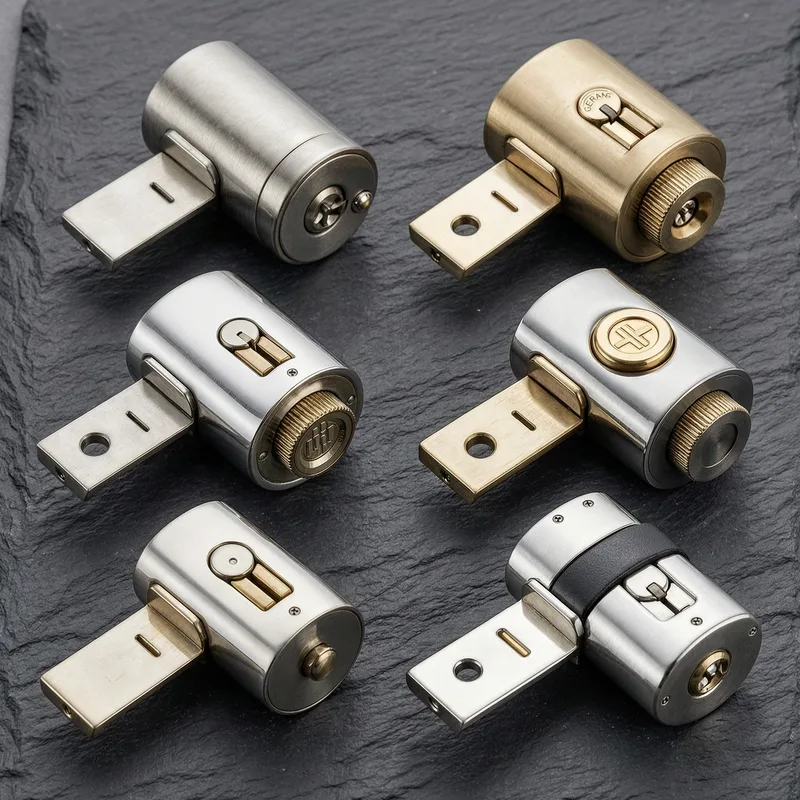
Moving to a German apartment as an expat means inheriting whatever locking system came with your rental—but that doesn't mean you're stuck with inadequate security. German apartments typically use standardized DIN locks, a system designed for European safety standards that differ significantly from what international residents may be familiar with. Understanding these standards and knowing which locks genuinely protect your home is essential for feeling secure in your new German residence.
This guide walks you through the best locks available for German apartment doors, explaining the standards, certification levels, and trusted brands that locksmiths and property managers across Germany recommend. Whether you're renting or own your apartment, choosing the right lock involves knowing what DIN 18251 means, which security classes suit your needs, and how to avoid common mistakes that compromise safety.
Understanding German Lock Standards: DIN 18251
German locks operate under strict standardization through the DIN 18251 standard, which classifies locks into three security classes based on burglary resistance and mechanical quality. Class 1 is basic residential security; Class 2 is standard for apartment buildings and provides moderate protection; Class 3 is high-security, found in commercial properties and premium residential installations. Most German apartment doors require at least Class 2 certification to meet insurance requirements and landlord expectations.
The DIN standard ensures that any lock meeting these criteria has undergone rigorous testing for pick resistance, manipulation tolerance, and material durability. When you see a lock labeled 'DIN 18251 Class 2,' you know it has been tested against standardized attack methods and proven reliable. This consistency is why German insurance companies recognize DIN-certified locks—they literally won't cover claims if your lock falls below these standards.
For expats accustomed to locks from other countries, this standardization is actually reassuring. You don't need to guess whether a lock is 'good enough.' The DIN classification tells you exactly where it stands on the security spectrum, making comparison straightforward and decisions transparent.
Top Lock Brands Trusted by German Locksmiths
ASSA ABLOY, Abus, and Mul-T-Lock are the gold standard in German apartment security. ASSA ABLOY manufactures many locks under the Yale and other premium labels and dominates the German market for high-quality mortise locks. Abus, a German company based in Wuppertal, specializes in DIN 18251 Class 2 and 3 locks with exceptional anti-pick technology. Mul-T-Lock, an Israeli manufacturer, brings innovative cylinder designs that are virtually unpickable and trusted by security professionals across Germany.
For mid-range, budget-conscious options, Wilka and FAB (both German manufacturers) offer reliable Class 2 locks that meet DIN standards without premium pricing. These brands are widely available through German hardware stores and locksmiths, making replacement or installation straightforward. All four of these manufacturers produce locks specifically engineered for European door frames, meaning you won't encounter sizing or compatibility issues common with imported locks.
When selecting a lock, always verify the DIN 18251 certification on the packaging or specification sheet. Counterfeit locks occasionally appear in online marketplaces; purchasing from established German locksmiths or authorized retailers eliminates this risk entirely. A certified locksmith can also advise whether your door frame is compatible with Class 2 upgrades or requires reinforcement.
Cylinder Security and Pick-Resistant Technology
The cylinder—the rotating part of the lock where your key inserts—is where most lock vulnerabilities exist. Modern German locks use anti-pick pins, mushroom pins, and driver pins designed to resist bump keys and lock picks. Abus Bravus locks, for example, feature their patented XP technology that makes the lock resistant to picking and drilling. Mul-T-Lock cylinders use a rotating mid-section that prevents traditional lock-picking techniques entirely.
If you're renting, discuss cylinder upgrades with your landlord. German tenant law (Mietrecht) permits renters to upgrade locks at their own expense if they're improving security, though you must restore the original lock upon moving out. For owned apartments, investing in a Class 3 cylinder from Mul-T-Lock or a premium Abus model provides measurable security improvement and justifies the cost through insurance discounts and genuine peace of mind.
Installation and Maintenance Tips for Expats
Installing or upgrading a lock yourself is possible if you're technically inclined, but German building codes and door specifications are precise. Door frames must meet DIN requirements, and cylinder length must be exact (typically 30/30mm or 30/35mm for standard German apartment doors). A professional locksmith charges €80–150 to install a new lock, ensuring correct measurement, alignment, and functionality. This small investment prevents costly mistakes like ordering the wrong size or misaligning the deadbolt.
Maintenance is simple: lubricate your lock twice yearly with graphite powder (never oil, which attracts dirt). Turn your key smoothly without forcing it; resistance indicates debris buildup. Have a locksmith clean and service your lock every 3–5 years. German landlords typically maintain common area locks; as a tenant, you're responsible for maintaining locks you've installed yourself. Always keep a spare key with a trusted friend or family member—German locksmiths can provide emergency services (24/7 availability at 015161134271), but planning ahead saves stress and money.
Frequently Asked Questions
Yes, German tenant law requires you to inform your landlord of any lock changes. While you have the right to upgrade for security, you must restore the original lock before moving out. Document the change in writing and keep proof of the original lock's installation date. Most landlords accept security upgrades, especially if you use DIN-certified locks. Always discuss this before making changes to avoid legal disputes.
A mortise lock is installed inside the door frame (common in older German apartments) and is more secure. A cylinder lock mounts on the surface and is easier to install in rental properties. German apartments use both, depending on door construction. For maximum security, mortise locks are superior, but cylinder locks are practical for renters who can't permanently modify doors. Your locksmith can assess which suits your door.
DIN 18251 Class 2 meets German insurance requirements and is standard for residential apartments across German cities. It provides solid protection against casual burglary attempts. For high-crime neighborhoods or high-value possessions, Class 3 or premium cylinders like Mul-T-Lock offer additional security. Consult with a local locksmith who knows your area's crime statistics—they can recommend the optimal class for your specific situation.
A well-maintained DIN-certified lock lasts 10–15 years. Replace your lock if the key sticks, the deadbolt doesn't engage smoothly, or you've lost keys and cannot locate them. Rental situations may require lock changes if previous tenants had keys. After any burglary attempt or suspicious activity, have a locksmith inspect the lock for damage and replace if compromised. Regular maintenance extends lock lifespan significantly.
You can purchase DIN-certified locks online from reputable German retailers like Hornbach or Amazon.de, but a locksmith ensures correct sizing, installation, and compatibility with your specific door. For renters especially, professional installation prevents mistakes that could cost you your security deposit. Locksmiths also verify your door's condition and recommend reinforcement if needed. The €80–150 installation cost is worthwhile for security and peace of mind.
English-speaking locksmiths available 24/7 across Germany.